Wondering about natural treatments for high cholesterol? Blood pressure? Diabetes? Autoimmune disease? Thyroid? Lots of clients come to us after being diagnosed with something new (and scary). We help them eat, exercise, and supplement to turn things around.
- Want to listen instead of read? Download the audio recording here…
++++
On the face of it, what we do at Precision Nutrition — helping people lose weight and look and feel their best — must seem like lots of fun.
In many ways, it is. We help our clients work healthy eating and exercise into their lives in ways that work for them, and then 12 months later I get to share their inspiring nutrition-coaching stories, full of challenges, doubts, perseverance, and triumph — along with their amazing before and after shots.
I’ll admit, those aspects are really exciting.
But most of our clients come to us for a reason that’s much more serious than wanting to look better.
Check this out:
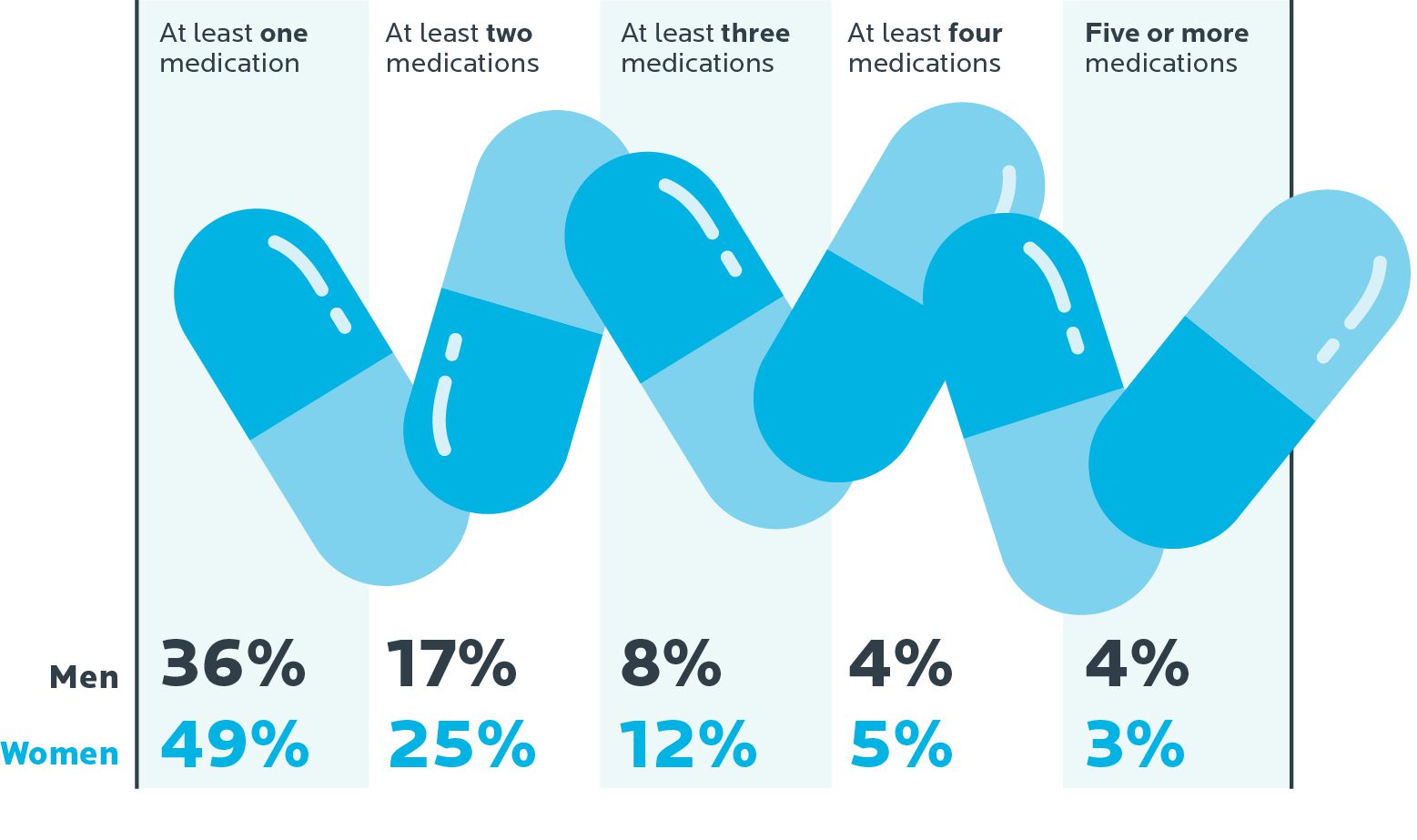
A remarkable number of the people who sign up for our nutrition coaching programs are dealing with a specific health problem. Many are on multiple prescriptions and OTC drugs.
And they’re not cool with that.
They used to feel all right. But then they went to the doctor and got scary news, like having:
It’s a turning point.
Since a lot of these health problems don’t have obvious symptoms (or don’t have symptoms that you’d know how to trace until you’re diagnosed), a lot of clients say that it feels like going from “healthy” to “unhealthy” overnight.
They don’t want to be on meds for the rest of their lives. They want to feel — to be — healthy again. They want control.
The good news: There’s help. And often, another path.
Sure, I like helping people get into shape and improve their daily habits. But honestly, giving people the information, accountability, and support to address these types of health problems through nutrition and other lifestyle choices is far more exciting to me.
Because this is the kind of stuff that truly changes — or even maybe saves — lives.
That’s why I called my friend Dr. Spencer Nadolsky. He’s a board-certified obesity and family medicine physician (as well as a certified PN Level 1 and 2 coach). Together, we came up with guidelines for dealing with these health problems naturally.
++++
High cholesterol
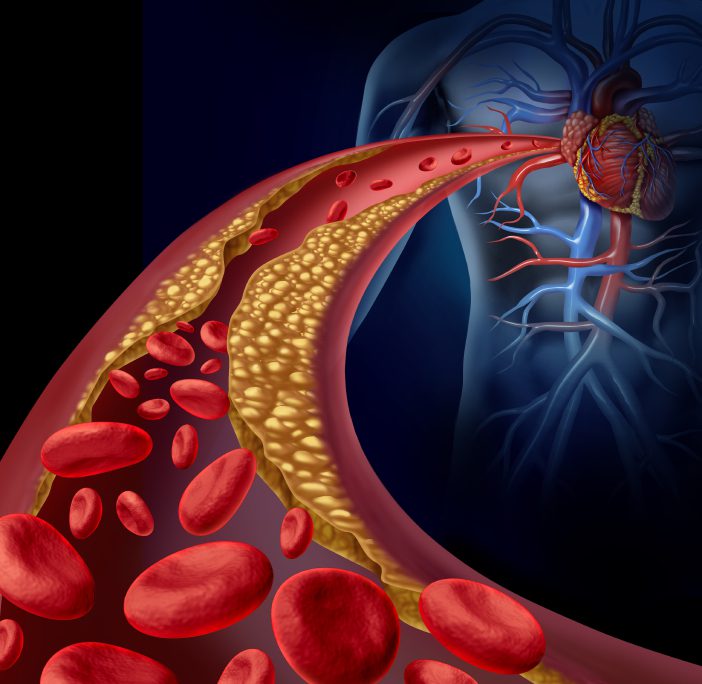
Cholesterol is a fat-like substance that has a lot of important roles in the body. In other words, we need it.
But when you have too much cholesterol, the lipoproteins carrying it can get caught in the artery walls, combining with calcium, fat, cellular waste, and fibrin (a material involved in blood clotting) to form the plaques that cause clogs.
It’s important to know that high cholesterol isn’t just one thing: You could have high total cholesterol, high LDL (“bad”) cholesterol, and/or high triglycerides (another measure of fat in the blood).
So, why’s it high? Well, sometimes high cholesterol is genetic. Other times it’s from eating too much saturated fat (from animal foods) and not enough plants.
What your diagnosis means
A basic cholesterol test usually includes a lipid profile, and has a few key components.
1. Lipoprotein cholesterol
Lipoproteins transport cholesterol around the body (basically, imagine passengers riding an inner tube in a water ride, and you get the idea).
A typical test includes:
- Low-density lipoprotein (LDL) cholesterol, aka “bad cholesterol”. In general, you want the number of these to be lower.
- High-density lipoprotein (HDL) cholesterol, aka “good cholesterol”. These bring cholesterol back to the liver for recycling and processing. Higher numbers here are usually good.
2. Triglycerides
Another type of fat in the bloodstream, triglycerides are also linked to heart disease. They are stored in fat cells throughout the body. Usually, you want these to be lower.
3. Total cholesterol
This is the total level of cholesterol in your blood.
Cholesterol tends to go up with age, but it doesn’t have to. Many populations, especially in regions that still eat traditional diets, have good blood chemistry throughout their lives.
The good news: Research shows that lowering your cholesterol sooner rather than later can curb your risk of cardiovascular disease.
(For more on understanding your lab tests, see LabTestsOnline.com.)
What you can do about it
Statin drugs and other blood lipid lowering chemicals are often seen as a quick fix.
Yet these drugs can come with side effects like memory loss, difficulty concentrating, lowered exercise tolerance, muscle pain, and depression — which, ironically, make it pretty tough to prioritize lifestyle changes that could turn your health around.
While these meds may be needed in many cases, revamping your diet can be a powerful supplementary — or even alternative — treatment.
If your LDL cholesterol level is between 160 and 190 and you don’t have heart disease, diabetes, or other risk factors, Dr. Nadolsky says, ask your doc about lifestyle changes you can make before going on meds.
If your LDL level is above 190, most doctors will insist on a prescription — unless they can trace your levels to an obvious diet choice (for example, more than one of Dr. Nadolsky’s patients have seen cholesterol go down when they rein in their Bulletproof Coffee habit).
Using these lifestyle strategies can help you avoid meds (or reduce the amount of time you’re on them).
Diet
When body fat goes down, cholesterol and especially triglycerides go down.
So if you’re overweight, consider changing your habits to get to a healthy weight. (Luckily, most people see benefits from even a little weight loss, perhaps just a few pounds. You don’t have to become an underwear model to be healthy.)
Dr. Nadolsky says a diet based heavily on plants is a good bet.
This will help you:
- lower your saturated fat intake, which alone can help lower cholesterol (the biggest saturated fat culprits: processed foods and animal products); and
- get more vitamins, minerals, phytonutrients and healthy fats, which have their own positive effect.
You don’t have to give up meat completely. Just add more plants.
Some ways to get there:
- Add one serving of vegetables and/or fruits to each meal. Look for colorful plants (such as dark leafy greens, orange carrots, or purple berries), and add a handful or two to each meal.
- Look for whole grain substitutes where possible. Think wild or brown rice instead of white; sprouted bread instead of white bread; or oats instead of your regular breakfast cereal. Adding these whole grains may lower your risk of clogged arteries by 30 percent.
- Add a serving of legumes. Foods like beans, lentils, and chickpeas not only taste good; they’re high in fiber, which binds to cholesterol in the digestive tract.
- Add nuts, seeds, fatty fish (such as salmon), avocado, and olive oil. They contain healthy fats, which lower LDL and raise HDL (“good” cholesterol).
If you have high triglycerides, try lowering your sugar intake. Since your liver uses sugar to make triglycerides, less sugar means less excess blood fat.
Exercise
Working out — especially a combo of cardio and resistance work — helps lower cholesterol by:
- helping you lose body fat (remember: less body fat equals less blood fat);
- changing certain enzymes that can decrease your triglycerides; and
- helping lower stress (which also contributes to poor cholesterol profiles and CVD).
If possible, do a little something every day. Even a 20-minute walk after a meal can tidy up triglycerides.
Work up to about 5 hours a week, and try to do a mix of low- and high-intensity activity, including weights, intervals, and low-intensity cardio. All activity — whether in the gym or not — counts!
Supplements
Each of these supplements could independently play a role in helping manage cholesterol levels. (Which means you don’t have to take all of them to see benefits). Of course, always talk to your doctor before taking supplements for a medical condition.
- Fish oil: Omega-3 fatty acids from fish may lower triglycerides by as much as 30 percent. Dosage: approximately 4 g per day.
- Berberine: This plant alkaloid may help lower cholesterol by upregulating LDL receptors on the liver, thereby decreasing the LDL in your bloodstream. Dosage: 500 mg 2-3 times a day.
- Spirulina: A type of blue algae, research shows that spirulina may help reduce LDL cholesterol and triglycerides by 10 percent and 24 percent respectively. Dosage: 4,500 mg per day.
- Red rice yeast extract: It contains the same ingredient found in statin drugs — so should be taken only under your doctor’s supervision. Dosage: 600 to 1200 mg twice a day with food.
- Plant sterols/stanols: These may be effective at blocking cholesterol absorption. Dosage: 2 g per day.
- Soluble fiber: It can help lower cholesterol by trapping cholesterol in the gut and reducing absorption. Dosage: 5-10 grams daily.
By the end of the Precision Nutrition program, Ken’s resting heart rate had gone from 96 beats per minute to 59. His blood pressure reading was 110/60. And after his cholesterol test, his doctor called him. “Nobody your age is supposed to be this healthy,” his doctor said. “I need the information about this program so I can give it to my other patients.”
Type 2 diabetes
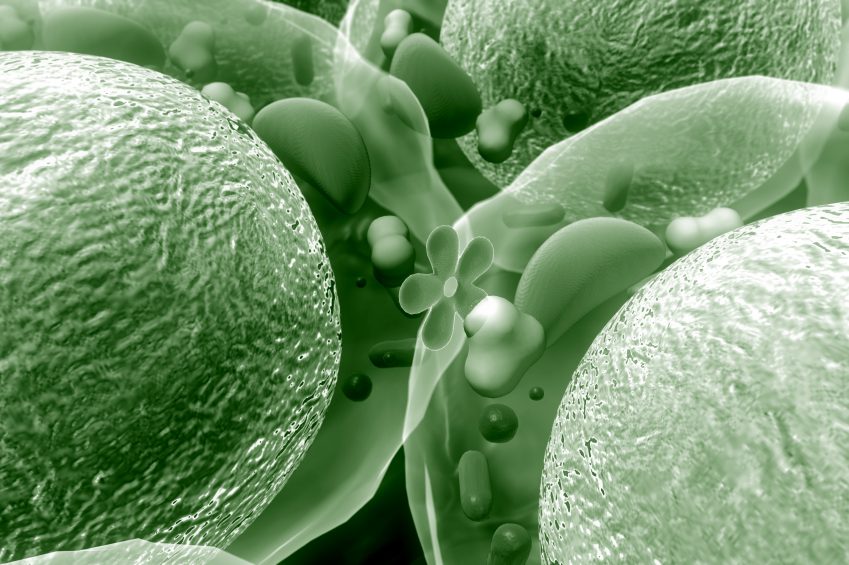
In Type 2 diabetes, there’s a problem with insulin, a hormone secreted by the pancreas when blood sugar goes up, usually after a meal.
Insulin resistance and/or an inappropriate insulin response can prevent glucose from being properly stored. This leads to chronic high blood sugar (hyperglycemia).
Type 2 diabetes is characterized by:
- obesity (especially fat in the abdominal cavity)
- cardiovascular disease
- systemic inflammation
- muscles that don’t store nutrients well
What your diagnosis means
Type 2 diabetes dramatically increases the risk of premature death and disability.
For example:
- At least 65 percent of people with diabetes die of some form of cardiovascular disease, like a heart attack or stroke.
- Diabetes is the leading cause of new cases of blindness among adults aged 20 to 74 years.
- Diabetes is the leading cause of kidney failure.
What you can do about it
Your doctor may have put you on one or more medications to stimulate insulin production, inhibit glucose production, or improve insulin sensitivity.
Regardless of what med(s) you’re on, lifestyle changes are the foundation of treating type 2 diabetes.
Diet
Any eating style that helps you lose weight is going to improve your blood sugar level. That’s because when fat in the abdomen and surrounding your organs goes away, insulin resistance starts to go away, too, Dr. Nadolsky says.
There are lots of arguments for a moderate-carb Mediterranean-style diet, which research shows can control blood sugar control and reduce waist circumference better than other diets.
That’s because the diet:
- reduces the processed sugars and starches that you’re consuming, helping decrease blood sugar.
- replaces saturated fat (from foods like butter and red meat) with healthy fats (from fatty fish and olive oil).
- increases plant intake, which provides phytonutrients that may improve insulin sensitivity and fiber, which slows your sugar absorption.
Exercise
Working out helps control Type 2 diabetes by:
- improving blood sugars and insulin sensitivity (especially high-intensity interval training);
- reducing body fat;
- improving cardiovascular function; and
- reducing stress.
Work with your doctor on your exercise plan, since diabetes affects how your body metabolizes energy. Considerations include:
- what type of medication(s);
- when you take it;
- your blood sugar levels before exercise (and how your blood sugar responds during exercise);
- what you’ve eaten before exercising; and
- what type of exercise you’re doing.
Supplements
Always talk to your doctor before taking supplements for a medical condition.
- Berberine: This plant alkaloid may help type 2 diabetes by improving insulin sensitivity. Dosage: 500 mg 2-3 times a day.
“I was diagnosed as pre-diabetic before I started Precision Nutrition Coaching. I had pills to take, check-ups, tests… It cost a lot of money, and I wasn’t addressing the real problem. But now I haven’t been to the doctor in over a year, except for one routine check-up. My doctor’s amazed at the progress I’ve made.” – Precision Nutrition Client
High blood pressure
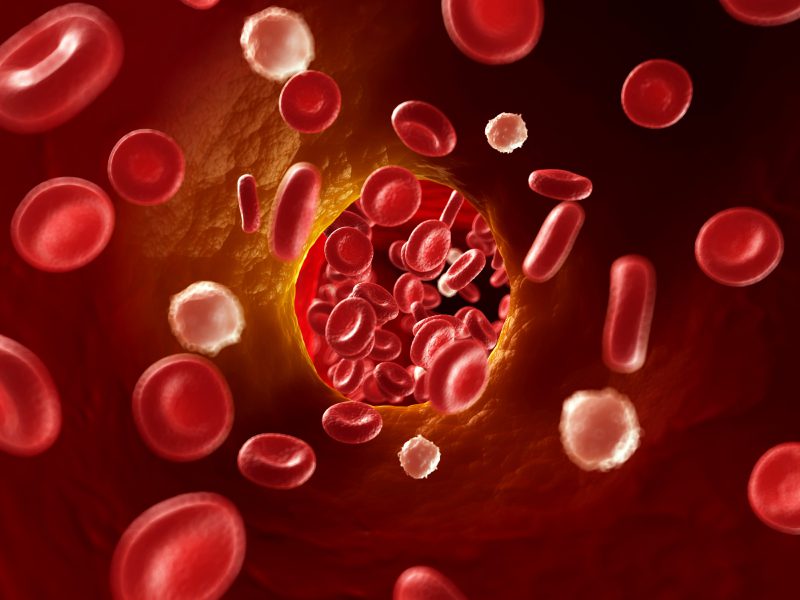
In the past, you hardly paid attention to these two numbers rattled off by the nurse at your doctor’s office.
Now, you’ve been told your blood pressure is chronically high, and suddenly you need to understand them.
- The top number (systolic) is the pressure in your arteries during a heartbeat.
- The bottom number (diastolic) is the pressure in your arteries while your heart is resting between beats.
High blood pressure, or hypertension, is related to the stiffening of blood vessels and arteries, and can be caused by:
- A problem with your kidneys’ salt balancing function
- Hormone imbalance
- Immune problems
- Genetics
- Being sedentary
- Excessive alcohol intake
- Excessive sodium intake (usually from processed foods)
- Being overweight or obese
- Stress
What your diagnosis means
Blood pressure has a significant effect on how healthy you can hope to be in the future.
High blood pressure can put you at risk for all sorts of health problems. If the pressure damages the blood vessels in your:
- eyes, you could end up blind.
- kidneys, you could end up on dialysis.
- heart, you could end up with a heart attack.
- brain, you could end up having a stroke or developing Alzheimer’s.
- legs and arms, you could end up with peripheral vascular disease.
What you can do about it
Just like the 35-year-old man above, if you address your blood pressure now, you cut your risk of related health problems and death substantially.
Diet
Here again, getting (and staying) at a healthy weight and body fat level is your goal. Fat cells produce substances that promote pressure-promoting inflammation throughout the blood vessels and heart.
Some guidelines:
- Add one serving of vegetables and/or fruits to each meal. The more plants in your diet, the better. This will help you lower your sodium intake and also increase intake of nutrients like potassium and magnesium, which help lower blood pressure by improving vessel elasticity.
- Include healthy fats: Add a couple of portions of fatty fish per week. Consuming healthy fats is linked to lower blood pressure, likely because of omega-3s‘ influence on eicosanoid production, which helps control vessel dilation and platelet aggregation.
- Reduce processed foods. This is one of the easiest ways to lower your sodium (salt) intake. Cutting sodium intake from 6,000 mg per day (that’s a typical intake in North America) to 2,300 mg or less can lower blood pressure 10 points without any other changes.
- Limit alcohol. About one drink a day — especially red wine — can lower blood pressure slightly (particularly in women); more than that can contribute to high blood pressure by promoting high triglycerides (blood fats) and weight gain.
Exercise
Exercise helps you get and stay at a healthy body weight. It also helps your blood vessels stay elastic and your heart work more efficiently.
Incorporate a mix of low-intensity cardio, high-intensity interval training, and resistance work. Weight training or other structured workouts — at least 5 hours of exercise per week — can be especially effective in helping to lowering blood pressure.
But be careful: Using the Valsalva maneuver can bump up blood pressure during lifting, so opt for shorter sets with longer rests, and watch your heart rate.
Since stress can make high blood pressure worse, also consider recreational physical activities that de-stress you — such as walking or hiking outside.
Supplements
Each of these supplements could independently play a role in helping manage blood pressure. (Which means you don’t have to take both to see benefits). Of course, always talk to your doctor before taking supplements for a medical condition.
- Magnesium: Supplementing may reduce blood pressure if you’re deficient, so get tested first. Dosage: 400 mg per day.
- Coenzyme Q10: This antioxidant may help decrease blood pressure slightly. Dosage: 100 mg per day.
“My doctor was amazed at how quickly and completely I was able to lower my blood pressure, sugar, and cholesterol… Neither of us thought this would be possible without medication. Now we’re both believers.” – Precision Nutrition Client
Autoimmune disease
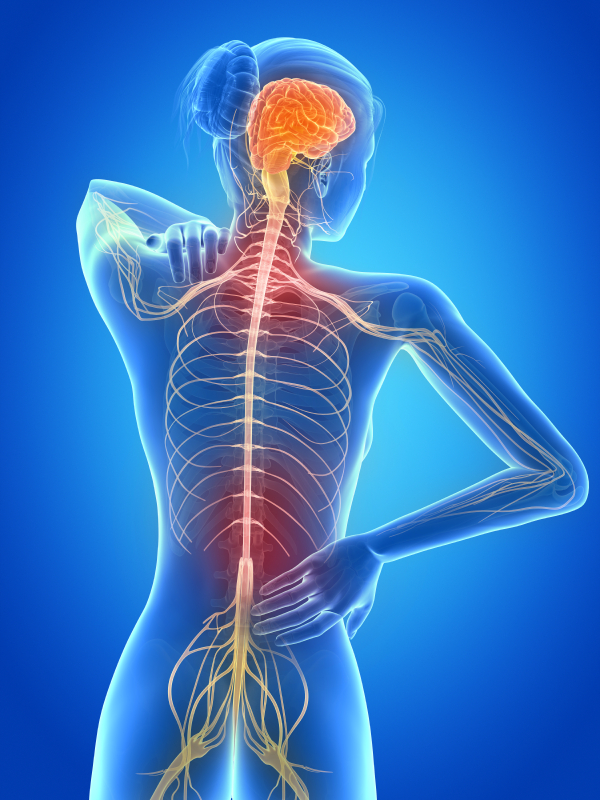
In autoimmune diseases, your immune system (wrongly) attacks healthy organs and tissues in your body. Experts don’t know exactly what causes autoimmune diseases, but it’s likely a combination of genetics and environmental factors.
Autoimmune diseases are on the rise, now affecting 24 million people in the U.S.
Common autoimmune diseases include:
- rheumatoid arthritis
- lupus
- type 1 diabetes
- inflammatory bowel disease,
- multiple sclerosis (MS)
- skin conditions such as eczema or psoriasis
- thyroid condition like Graves’ disease or Hashimoto’s thyroiditis (also see the Thyroid condition section below).
While there are treatments for autoimmune problems, there aren’t (yet) cures.
What your diagnosis means
With more than 80 types of autoimmune diseases, many of which share symptoms, it can be difficult for your doctor (and stressful for you) to pinpoint the problem.
Common symptoms include:
- fatigue,
- dizziness,
- low-grade fever,
- gastrointestinal problems,
- headache,
- fever,
- itchy skin, and
- redness and swelling.
Treatment depends on the specific autoimmune disease you’ve been diagnosed with. While researchers haven’t identified cures, some of these diseases can go into remission.
What you can do about it
If you’ve got an autoimmune disease, you may have noticed you have good days and bad days. Sometimes the disease may flare up, often without warning. Sometimes it may calm down. It can be hard to know why, or what’s causing the changes.
And sufferers can feel powerless.
Gather data about yourself
One way to help yourself feel more in control is with a symptom diary.
This can help both you and your doctor identify patterns, such as whether particular foods, types of exercise, or other factors such as sleep, stress, or hormonal changes seem to affect symptoms.
In particular, consider tracking what you eat and whether you notice any changes in symptoms.
If you have a food sensitivity or intolerance, then your diet may be wreaking havoc on your gastrointestinal tract, damaging intestine cells and allowing food particles and other junk into your bloodstream.
These types of triggers — perhaps innocuous to many other people — can worsen inflammation; your body’s immune response may rage against the perceived invaders.
Diet
There’s no one-size-fits-all “best diet” for autoimmune conditions. However, looking for food sensitivities and eliminating foods that seem to worsen your symptoms is a good start.
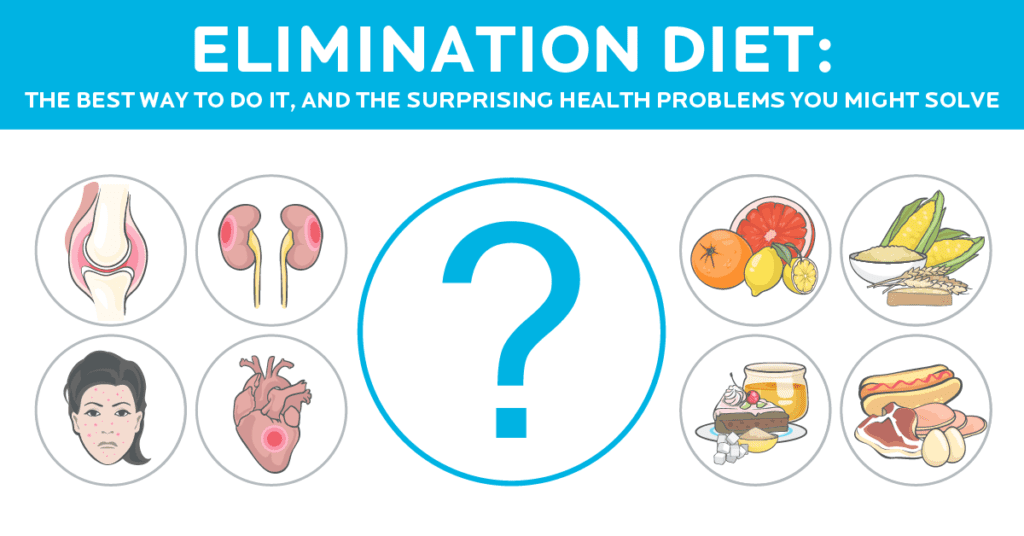
If you’d like to explore this further, consider doing an elimination diet, in which you eliminate whole categories of food for a few days, then reintroduce foods one by one, making note of any reactions you have.
If you notice a reaction, consider eliminating the culprit food from your diet permanently (of course, talk to your doctor).
Ask your doctor about food allergy and sensitivity testing. The latter is still being studied, but the findings could still be illuminating, especially in conjunction with an elimination diet.
What about the Paleo-style diet for autoimmune diseases that’s getting attention these days? Dr. Nadolsky says there’s some evidence that the diet may help by reducing inflammation, but this is totally hypothesis-based at this point.
Exercise
Autoimmune symptoms like fatigue, weakness, aches, and chronic pain can make it tough to get to the kitchen for your coffee in the morning — let alone to the gym.
But, conversely, finding a way to work in low-impact exercise can help reduce symptoms significantly.
Exercise can:
- boost your energy,
- improve your mood,
- improve flexibility and mobility,
- release pain-targeting endorphins,
- reduce inflammation, and
- relieve depression and anxiety.
Talk to your doctor about how to make exercise work for your specific autoimmune condition.
Supplements
Always talk to your doctor before taking supplements for a medical condition.
- Vitamin D: may modulate the immune system (especially in multiple sclerosis patients). Dosage: 1,000-2,000 IU per day; get tested for a more tailored dose.
- Probiotics: These beneficial bacteria may help improve gut health, potentially reducing inflammation and autoimmune issues. The problem: There are so many different strains that it’s hard to know which to take, the dosage, or the efficacy. But there’s no harm in trying a few strains of bifidobacterium and lactobacillus, Dr. Nadolsky says. Dosage: 1-5 billion CFUs per day.
Precision Nutrition client David removed gluten — and sure enough, he started to feel better. Yes, it was tough to give up on breads and pastas and other starchy gluten-containing treats. But as it turns out that it’s easier than he imagined to prepare wholesome, nutritious food that tastes great and doesn’t stimulate his autoimmune response.
Thyroid condition
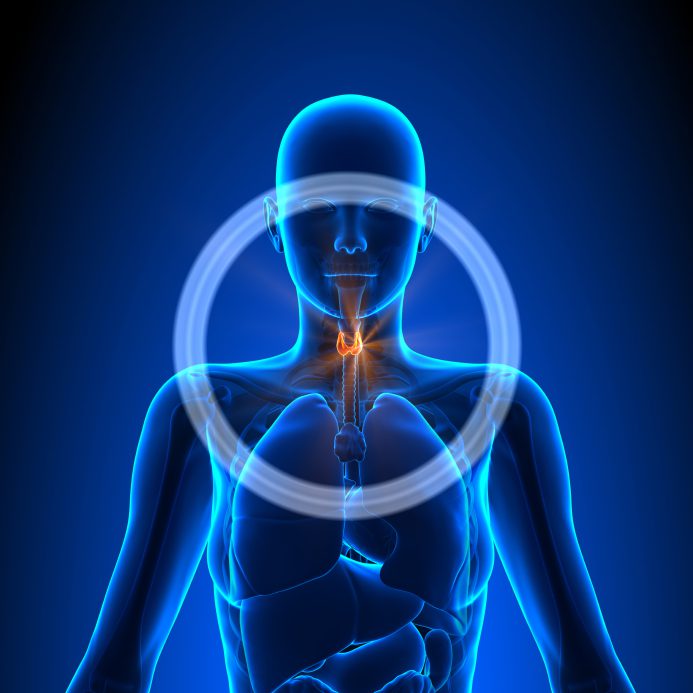
The thyroid gland is one of the “master controllers” that regulates nearly every major metabolic function in the body.
If you’ve been diagnosed with a thyroid condition, your thyroid might be producing too much of the hormone (hyperthyroidism) or too little (hypothyroidism).
Thyroid disorders can be caused by iodine deficiency, but that’s rare in affluent countries.
Hyper- or hypothyroidism most commonly arise from autoimmune problems, in which white blood cells and antibodies mistakenly attack the gland’s cells, causing damage and dysfunction.
What your diagnosis means
In hyperthyroidism, it’s as if your body’s “motor” is revving at high speed.
Symptoms can include:
- racing heart and palpitations
- trouble sleeping
- tremor and nervousness
- weight loss
- hair loss
- muscle aches and weakness
- diarrhea and overactive digestive system
- sweating and trouble tolerating heat
- exophthalmos (bulging eyes)
With hypothyroidism, the “motor” slows down. Symptoms can include:
- unexplained weight gain
- inability to lose weight, even with a solid eating and exercise plan
- tiredness, fatigue, lethargy
- depression and losing interest in normal activities
- forgetfulness
- dry hair and skin
- puffy face
- slow heart rate
- intolerance to cold
- constipation
- brittle nails
- muscle cramping
- changes in menstrual cycle
What you can do about it
Hypothyroidism is controlled with hormone replacement that’s specific to the individual patient’s needs.
But correcting the thyroid imbalance doesn’t produce weight loss overnight. If you have a thyroid issue, you’ll still benefit from addressing nutrition, exercise and lifestyle factors.
Diet
If your thyroid problem is the result of iodine deficiency (rare in the developed world, where most people use iodized salt), focusing on getting more iodine is key. Foods to focus on include iodized salt, fish, and seaweed.
Ask your doctor if you should limit soy, which contains substances that can contribute to a goiter (excess tissue) on the thyroid. Soy only seems to cause thyroid problems when iodine intake is low and soy intake is high.
If your thyroid condition is autoimmune, an undetected food intolerance could be to blame. Scientists are still exploring the connection between food intolerance and autoimmune problems, but there’s some evidence that gut dysfunction — aggravated by food intolerance — can trigger the inflammation that worsens some thyroid diseases.
It’s plausible (though not certain) that addressing food intolerance early, before irreversible damage is done to the thyroid, may help you avoid hypothyroidism, Dr. Nadolsky says.
Talk to your doctor about food sensitivity testing and trying an elimination diet, which helps you identify food intolerances.
It’s important not to eliminate foods before your doctor has the chance to test you for a disease such as celiac, an intolerance to gluten.
Exercise
While regular exercise can help improve some of the symptoms of thyroid conditions, get advice from your doctor before ramping up your routine.
Since hyper- and hypothyroidism mess with your metabolism, exercising before your condition is under control can be dangerous.
- With hyperthyroidism, where your metabolism is already revved up, working out can cause you to overheat, and could even cause heart problems.
- With hypothyroidism, your heart rate is slowed, meaning exercise could be too much work for you at first.
Supplements
Always talk to your doctor before taking supplements for a medical condition.
- Probiotics: If your thyroid condition is rooted in autoimmune issues, these may help. Again, experts still don’t know which strains or doses are most beneficial. There’s no harm in giving it a shot, though. Try bifidobacterium and lactobacillus, Dr. Nadolsky says. Dosage: 1-5 billion CFUs per day.
- Iodine: Consider taking this if your thyroid problem is iodine-related. Dosage: Ask your doctor.
- Selenium: It’s involved in the production of thyroid hormone. Dosage: 200 mcg per day.
She pauses for a moment, maybe thinking about all the obstacles she faced— her age, the thyroid condition, the cancer, the move, the restaurant meals, the traveling, the loss of her sibling. “Really, there’s no reason not to succeed at this,” she finally says. “Precision Nutrition Coaching is so well thought out and so well designed. If I can do it, anybody can.”
What to do next
If you’ve gotten a scary medical diagnosis lately — or struggled with some mild to moderate chronic health problems that affect your quality of life — you’re not alone.
We’ve seen literally thousands of clients with health problems, ranging from the most severe (such as terminal cancer) to small everyday annoyances (like chronic sinusitis or skin rashes).
A new diagnosis is always a delicate dance — even before you start introducing meds and lifestyle changes.
Here are some general guidelines for navigating it all in a way that works for your life and health.
1. Don’t go into the woods alone.
Build a support team — the bigger the better. This can include:
- doctors and other healthcare providers
- pharmacists who can advise you on medication use
- family and friends
- nutrition coaches, fitness trainers, and other folks who can help you make lifestyle changes and discover what you can do, even with potential limitations
- counselors and therapists to help you deal with the mental and emotional consequences of health problems
- etc.
Depending on your diagnosis, there may be “rehab” programs available (such as cardiac rehab) to help you move through the early stages of treatment.
Having a person with you at medical appointments can help you remember important information. When we’re anxious or overwhelmed with a new diagnosis, we may not remember or process things.
2. Choose your information sources carefully.
With a fresh diagnosis (or puzzling set of symptoms), we often run to Dr. Google and the health blogger world for advice. We can end up feeling confused, overwhelmed, and considering weird options like an all-banana diet or tuning into the vibrations of the universe.
Be a critical consumer. Look for scientific evidence and research.
Ask your doctor (or other healthcare providers) what information sources they recommend. Demand credibility.
3. Work with your doctor. Follow instructions.
Don’t self-diagnose or self-treat.
If you’ve been prescribed meds, take them.
4. If you change your diet or exercise, or add any supplements, check with your doctor and/or pharmacist.
You may not be aware that even common, “safe” OTC drugs and supplements (such as a calcium supplement, or aspirin) could interact with your medications.
5. That said… ask questions, and advocate for yourself.
Some doctors are quick to prescribe meds without giving you a chance to fully explore lifestyle changes, Dr. Nadolsky says.
Be curious. Ask questions. Could you hold off on meds (or stop taking them) while pursuing healthier habits? Explore this.
Again, don’t stop taking meds without getting approval from your doctor.
6. Learn about your own body and health.
Keep a symptom diary. Track changes from day to day. Look for patterns. Map out your own unique physical landscape.
In particular, many diseases get worse when we’re stressed, or when we eat foods that our bodies don’t like.
Bring this diary when you visit your doctor. This process can help both you and your doctor solve any health mysteries. You can also write down your doctor’s instructions to help yourself remember.
7. Check all medication side effects.
Medicine — both prescription and over-the-counter — have powerful effects on metabolism, appetite and digestion, body composition, physical performance, and overall wellness.
If you’re struggling to get results with a solid health and fitness program, underlying health conditions and medication use might be playing a role. If you suspect this, talk to your doc, and consider getting a nutrition coach.
8. If you work in health or fitness, consider learning more.
Client results depend on your understanding of their underlying health issues, medications, symptoms, and motivations for changing their habits. Precision Nutrition’s Level 1 Certification Program for health and fitness professionals teaches you how to work with clients’ special medical conditions, how to address medication use, and so much more.
References
Click here to view the information sources referenced in this article.
Join 150,000+ people who've transformed their health with PN Coaching.
Most people know that regular movement, eating well, sleep, and stress management are important for looking and feeling better. The challenge is making it all work in the middle of real life—work, family, stress, and everything else that gets in the way.
Over the past two decades, PN Coaching has helped more than over 150,000 clients lose fat, get stronger, and improve their physical and mental health—for the long-term. Our habit-based approach is backed by peer-reviewed research, trusted by professional athletes and elite sports teams, and recognized by the 175,000+ health professionals who've learned it through our certification programs.

Share