Getting enough fiber by building your diet around vegetables, fruits, legumes, whole grains, nuts and seeds, is important for overall health and disease prevention.
What is fiber?
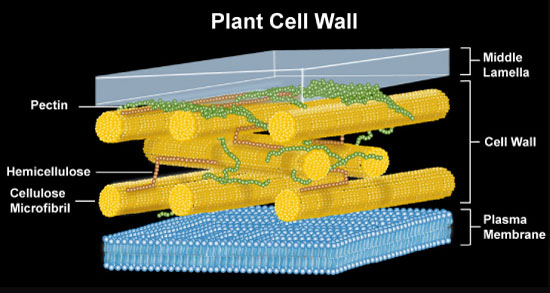
Dietary fiber is a non-digestible polysaccharide, which means it’s a complex form of carbohydrate (poly = “many”; saccharide = “sugar”). (See All About Carbohydrates for more on the various types of saccharides.)
These polysaccharides give plants their structure — think plant cell walls.
Types of dietary fiber
We can divide fiber into two general categories, based on their structure and what they do in our bodies.
- Soluble fibers are viscous and fermentable, and can lower our blood cholesterol.
- Insoluble fibers help to bulk up stool volume and improve motility.
We need both types of fiber in our diets.
However, within these general groups, there are many types of dietary fiber, including:
| Fiber type | Found in |
|---|---|
| Beta-glucans | Baker’s yeast, some mushrooms, some grains, seaweed |
| Cellulose / hemicellulose | Plant cell walls, especially plants with a rigid structure (e.g. trees) |
| Chitin | Fungi, exoskeletons (e.g. crab shells) |
| Chitosan | Produced as a chitin derivative |
| Fructans | Many vegetables and grains, such as chicory, Jerusalem artichoke, barley, and the Allium group (onions, leeks, garlic, etc.) |
| Gums | Seaweeds, barley bran, some tree saps and seeds |
| Lignins | Plant cell walls, especially xylem (nutrient-transporting) cells |
| Non-digestible dextrins | Plant starches |
| Non-digestible oligosaccharides (the prebiotic fibers) like inulin, fructo- and galacto-oligosaccharides | For inulin and fructo-oligosaccharide, see fructans. Galacto-oligosaccharides are derived from lactose in milk. |
| Pectin | Fruits such as apples, apricots, quince, guava, and citrus. Citrus peels are a very high source of pectin (30% of weight). |
| Polydextrose | Synthesized from dextrose (combined with citric acid and sorbitol), used as a starch replacer in commercial food products |
| Resistant starches | Seeds, legumes, whole grains, potato, corn, green bananas (especially if these foods are cooked then cooled) |
As you can guess from the table above, grains, vegetables, legumes, fruits and nuts account for 85% of the fiber in the U.S. food supply. These same plant foods provide lots of other nutrients.
However, since we live in a world of refined and fortified foods, there are now “functional dietary fibers.” These are the isolated, non-digestible carbohydrates that fortify foods not usually containing fiber — stuff like “fiber-ed up” Splenda and Apple Jacks. This allows many unhealthy products to claim that they are “healthy”.
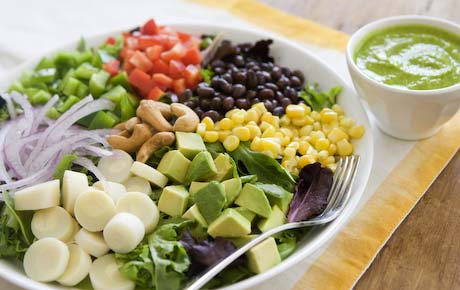
Fiber found in nature
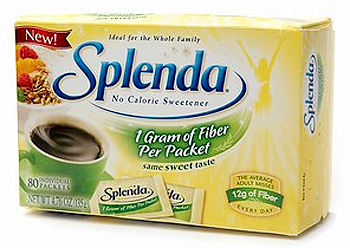
Fiber NOT found in nature
Why fiber is so important
In 1972, scientists proposed a “dietary fiber hypothesis”, which suggested that common GI diseases like colon cancer, diverticulosis and appendicitis were due, in part, to lack of dietary fiber. It’s not hard to see why:
- Americans consume about 15 grams of fiber per day, on average (17.8 g for males and 13.6 g for females). I eat that much before 8:00 am.
- Refined sugars, oils, dairy products and alcohol contain no fiber and comprise 48% of the energy in the average U.S. diet.
- When asked about their dietary fiber consumption, 73% of individuals with a fiber intake below 20 grams/day think the amount of fiber they ingest is “about right.” The Institute of Medicine recommends 19 to 38 grams of fiber per day (varies based on age and gender).
- White flour and white potatoes provide the most fiber to the American diet. This isn’t because these foods contain lots of fiber, it’s because we eat lots of these foods. Legumes only provide about 6% of the fiber in the U.S. diet.
In other words, people eating a standard Western diet aren’t getting anywhere near the fiber that they should.
A low-fiber diet is associated with many health problems, including:
- Cardiovascular diseases and high blood fats – fiber helps bind and eliminate blood cholesterol/fat
- GI disorders, cancers and poor bowel function – fiber helps keep the GI tract clean and can ease constipation and diverticular disease
- Diabetes – fiber controls blood sugar, insulin and body fat
- Excess body fat – fiber contributes to satiety and dilutes energy density
- High blood pressure – see all the above
A study with over 500,000 people in 10 European countries showed that people who ate more than 30 grams of fiber per day had approximately half the risk of colon cancer as those who ate 12-15 grams of fiber daily.
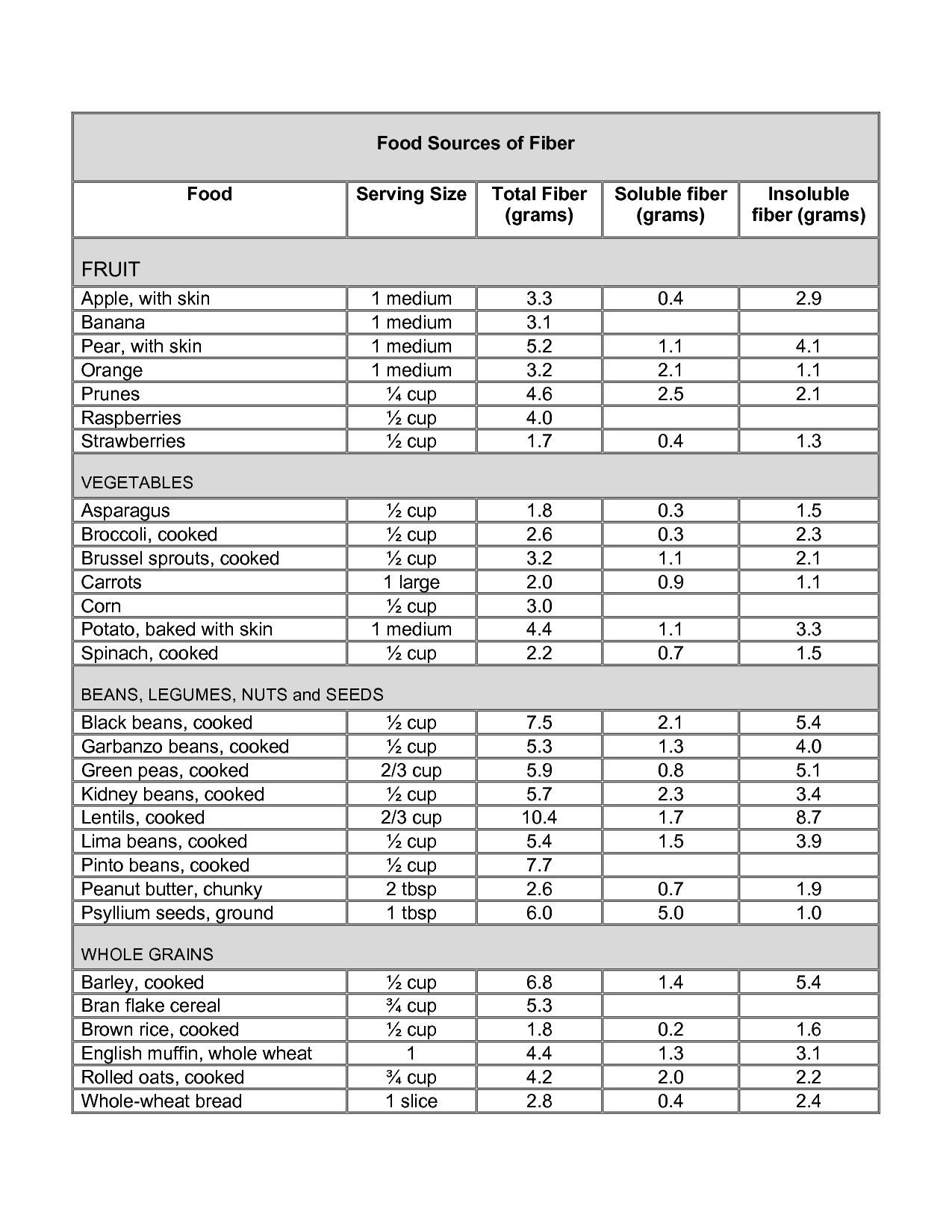
Fiber and cardiovascular disease
In one study, researchers followed more than 16,000 middle-aged men from around the world for 25 years. The higher the consumption of beans, the lower the risk of death from heart disease — up to 82% reduction in risk! Dietary fiber from whole grains seems to also have a strong protective effect against cardiovascular diseases.
Fiber and blood lipids
In randomized controlled trials, compared to baseline values, vegetarian diets with additional fiber, soy, and nuts were associated with a 20% decrease in total cholesterol and a 35% decrease in LDL cholesterol.
Fiber and GI function
Fiber can stimulate bacterial fermentation (prebiotic fiber is fuel for colon cells) in the large intestine or pass through the GI tract unfermented. Since GI health is synonymous with immune function, fiber seems to play an important role in immunity. See All About Probiotics for more.
Without adequate stool bulk, the colon will panic and respond with excessive contractions. This leads to the creation of diverticula, which are herniations of the mucosal layer through weak colon muscles (essentially little inflamed intestinal pouches). Consuming sufficient fiber can prevent this.
Fiber and diabetes
Consuming more fiber, especially from legumes, seems to help prevent type 2 diabetes. This is likely due to the moderation of blood sugar and insulin release. (See All About Insulin for more.) Oh – and fiber can help control body fat (see next section).
Fiber and body fat
Fiber thinks body fat is a joke. Fiber increases dietary bulk, decreases energy density and reduces energy intake. This is helpful for the 75% of Americans who are overfat. (On the other hand, because Fiber increases satiety, eating lots of Fiber isn’t helpful for those trying to maintain or increase body weight. We talk about this in All About Raw Food. Also see All About Appetite Regulation.)
More fiber means more fecal energy losses, since GI transit time speeds up. Rapid GI transit leads to less time for digestion and absorption of nutrients. This can be a problem if mineral intake is lacking. Up to 32 grams of fiber each day doesn’t seem to diminish mineral balance in adults. Same thing is noticed with up to 25 grams in kids.
Resistant starches aren’t degraded in the small intestine; they act as a fiber source in the large intestine. Legumes are the big boys of resistant starch. Nearly 35% of legume starch escapes digestion because it’s resistant. American youth and adults are estimated to consume approximately 3 to 8 grams of resistant starch per day.
What you should know
Eat more plants
Plant foods contain Fiber. The best sources are legumes, whole grains, vegetables, fruits and nuts/seeds. (See All About Fruits and Vegetables.)
Plant-based diets tend to be higher in Fiber – with vegan diets being the highest. People eating these types of diets tend to have lower rates of cardiovascular disease, cancer, lower blood fat, lower blood pressure, and lower body weight. This could be in part due to a higher Fiber intake, or because they’re biking all over the city to protest.
Remember that whole grains are whole grains, as in the entire thing — not whole grain flour, whole grain pasta, whole grain “nutrition bars”, or Fruit Loops with whole grains. (See All About Grains and The Safe Carbs: Whole Grains.)
Kids need fiber too
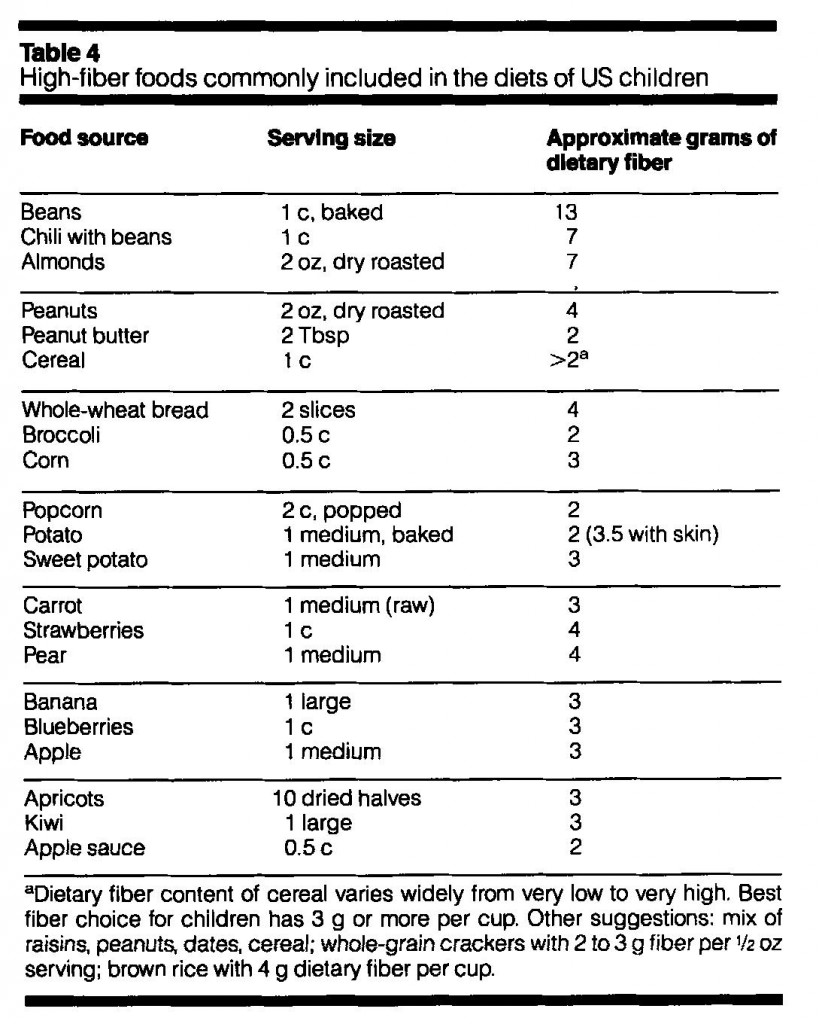
Adequate fiber during youth can reduce the risk of cardiovascular disease, cancer and diabetes. Fiber goals for kids:
- All children 1 to 3 years, 19 g/day
- All children 4 to 8 years, 25 g/day
- Boys 9 to 13 years, 31 g/day
- Girls 9 to 13 years, 26 g/day
The adequate intake (AI) of fiber for children and adolescents is based on the data cited for adults, which showed that 14 grams per 1,000 calories reduced the risk of heart disease. The 2005 U.S. Dietary Guidelines recommend a fiber intake of 14 grams per 1,000 calories as well.
However, too much fiber in kids can reduce overall food intake (due to its satiating effect), increase fecal energy loss, and decrease mineral absorption. In children consuming a standard Western diet, this is rarely a problem, though.
Also, grain and legume intolerance (most commonly to wheat, corn, soy, and peanuts) is common in children, so parents should look for other sources such as vegetables, fruit, other seeds/nuts, and other beans/legumes if necessary. (May we suggest a kid-friendly, fruit-filled Super Shake? You can sneak all kinds of things in there!)
Downsides of fiber
Lots of fiber can mean less absorption of nutrients and calories. In the U.S., this might actually be a positive thing.
Bezoars have been reported in the esophagus from glucomannan and the large intestine from other dense fiber foods.
Fermentation of fiber and other non-digestible carbohydrates by bacteria in the colon can produce hydrogen, methane and carbon dioxide gases. This may lead to distention and expired gas.
Many people are intolerant of some forms of fiber, such as grains. There is evidence that the lectins in grains and beans/legumes can cause health problems for susceptible people, because they affect the lining of the gut. (See All About Lectins for more.) However, there’s also evidence that prebiotic fiber sources such as inulin and glucomannan can help with inflammatory bowel disorders. If you have inflammatory bowel symptoms, review your fiber sources.
Summary and recommendations
Getting enough fiber is important for overall health and disease prevention. And it keeps your plumbing in good working order.
If you build your diet around vegetables, fruits, legumes, whole grains, nuts and seeds, you’re probably getting enough fiber.
If you want a goal:
- Women should aim for at least 30 to 35 grams of fiber per day.
- Men should aim for at least 40 to 45 grams of fiber per day.
You should get your fiber from whole foods. Fiber supplements (or fiber-supplemented foods) don’t provide the micronutrients, phytochemicals and water found in whole plant foods. Anyone who relies on a fiber supplement because they don’t get enough from food has a crappy diet (excluding those with unique medical situations).
When you eat enough fiber, you need to consume enough fluids. See All About Dehydration for more.
Extra credit
Eating one cup of beans = about 16 grams of fiber.
The fiber of apples and pears can be recovered from the juicing process and used as a food ingredient.
In those consuming adequate fiber, symptoms associated with hemorrhoids can substantially decrease.
Inulin, oligosaccharides, resistant starch, and other fibers have actually been found to enhance mineral absorption, particularly calcium.
There is a 1% increase in fecal energy loss for every 6 grams of dietary fiber added (check yourself disordered eaters – avoid over-consuming fiber supplements in the hopes of losing weight. You’ll likely end up with a bezoar and/or gut hemorrhage). This might explain why plant-based eaters tend to be lean.
3 additional grams of dietary fiber from oats can decrease blood cholesterol by 2%.
Eat, move, and live…better.©
The health and fitness world can sometimes be a confusing place. But it doesn’t have to be.
Let us help you make sense of it all with this free special report.
In it you’ll learn the best eating, exercise, and lifestyle strategies – unique and personal – for you.
Click here to download the special report, for free.
References
Click here to view the information sources referenced in this article.



Share