Originally published August 2009. Last reviewed and updated by the Precision Nutrition editorial team, April 2026.
Basics | Are lectins harmful? | High-lectin foods | Low-lectin foods | Ways to reduce lectins | Bottom line
A type of protein found in beans, corn, and other fibrous foods—lectins are the subject of many nutritional debates.
Some people believe lectins cause inflammation, GI problems, leaky gut syndrome, joint pain, and a host of other problems.
Other people? They say lectins are not only safe, but also good for us, supplying fiber and other nutrients we need to fight off disease, including cancer.
Who’s right?
Both.
Neither.
As with most nutrition debates, the answers are nuanced.
As we know, nutrition science is still very young. Still not old enough to be trusted with scissors.
In other words, we’re still figuring out how lectins work. That said, we’re starting to better understand who benefits from lectins, who doesn’t, and how to tell the difference.
As it turns out, most people need not wage a dietary war on this compound. But people with food-related sensitivities—who experience painful stomach aches, nausea or other GI symptoms after eating high-lectin foods—may benefit from low-lectin (or even lectin-free) diets.
In this article, you’ll learn how to tell if you or a client are sensitive to lectins—as well as how to reduce lectins if you are.
We’ll discuss:
- What are lectins?
- How do lectins work?
- Are lectins bad?
- What foods contain the most lectins—and what foods contain the least?
- What can you do to reduce or neutralize lectins in foods you love?
- Ways to avoid lectins
(Want more deep insights and helpful takeaways on the hottest health and nutrition topics? Sign up for our FREE weekly newsletter, The Smartest Coach in the Room.)
Save $200 on the industry's top nutrition certification
Help people improve their health and fitness—while making a great full-time or part-time living doing what you love.

What are lectins?
Lectins are a type of carbohydrate-binding protein. (Gluten—labelled by some as a nutrition “bad guy”—is probably the most notorious lectin.)
In this article, when we refer to “lectins”, we’re mainly talking about a plant lectins, primarily one called phytohaemagglutinin (PHA). Raw beans and legumes are loaded with PHA, which can lead to acute poisoning in high amounts.1 (Don’t worry—most of the PHA content is destroyed when you cook beans and other lectin-rich foods.)
You can think of lectins as built-in bodyguards for plants.
While animals have teeth and claws to protect themselves from getting eaten, plants are pretty defenseless. Plus, they’re usually rooted in place so they can’t even run away.
So, plants have evolved to produce chemical compounds—like lectins—to repel microorganisms, insects, and other pests.2
If an animal eats the plant anyway, these compounds also help seeds remain intact as they pass through a digestive system. That way, when an animal poops, the seed lives on to sprout, grow, and produce more seeds, thus ensuring the survival of its species.
Humans can’t digest lectins. These compounds usually pass through our digestive system unchanged. Occasionally, however, if someone’s digestive system is impaired—from Crohn’s disease or another inflammatory condition—lectins sneak their way into the bloodstream. It’s there that lectins can cause problems.
Are lectins harmful?
Lectins influence many aspects of our health.
Let’s take a look at their role in the body.
Lectins and the intestinal wall
As food passes through the gut, it causes very minor damage to the lining of the GI tract. Normally our cells repair this damage quickly. Since the purpose of the gut lining is to let small nutrients pass into the bloodstream, but still keep larger particles contained, it’s important for this repair system to be working well.
But lectins can impair this system—and our cells can’t regenerate as fast as they need to in order to keep the intestinal lining secure. If the damage continues, our gut becomes inflamed and doesn’t function as well. The normally tight junctions of our intestinal wall widen, allowing various undigested food particles, toxins, and bacteria to pass into the bloodstream.3
This might sound scary, but before you give up beans, peas, and lentils, know this: It’s easy to reduce lectins from foods before you eat them. In fact, you’re probably already doing it.
Soaking, cooking, and sprouting, among other techniques, all dramatically reduce the amount of lectins, to the point that most of us don’t get symptoms. (Read more about how to reduce lectins from foods below.)
Here’s an important caveat, though: Some people are more sensitive to lectins than others, especially if they already have a bowel disorder (like Crohn’s or Celiac disease). In these people, even small amounts of lectins generate immune-related symptoms (like intestinal inflammation, joint pain, or skin flare-ups).4 For them, a low lectin or lectin-free diet may be helpful.
Lectins and the immune system
When lectins pass into our bloodstream, we often produce antibodies to them. Antibodies recognize foreign substances like bacteria and viruses, and mount an inflammatory immune system response to protect us.
Almost everyone has antibodies to some dietary lectins. This means that when lectins enter our bloodstream, they can stimulate an immune system response.
Some foods—especially if improperly prepared—can trigger a very obvious immune response. This can cause inflammation of the digestive tract, possibly leading to nausea, diarrhea, and vomiting.
One example of this is lectin poisoning by raw or undercooked soaked kidney beans, which have a very high lectin content. (This nearly disappears when kidney beans are cooked well until soft: Raw kidney beans contain from 20,000 to 70,000 lectin units, while fully cooked beans usually contain between 200 and 400 units.)5
Lectins and inflammation
Because lectins can trigger an immune response, they have been linked to autoimmune inflammatory conditions like inflammatory bowel disease, rheumatoid arthritis, and type 1 diabetes.
However, not much is known about the mechanisms that underlie these associations, so it’s not fair to imply that lectins can cause, or even aggravate, chronic inflammatory conditions.
For most healthy individuals, foods that are properly prepared won’t cause any problems.
Even if you do accidentally eat some undercooked kidney beans, lectins usually only cause short-term inflammation and symptoms. In other words, you might be running to the bathroom a lot for 24 hours or so, but after that, you should be fine.
What foods contain the most lectins?
Lectins from grains and legumes (especially those from wheat, kidney bean, soybean, and peanuts) are most commonly associated with digestive complaints.
Use this chart if you’d like to avoid the highest sources of lectins.
| Foods high in lectins | Method(s) to reduce lectin content | |
|---|---|---|
| Kidney beans | Soak, cook | |
| Chickpeas | Soak, sprout, cook | |
| Green peas | Soak, sprout, cook | |
| Beans | Soak, sprout, cook | |
| Lentils | Soak, sprout, cook | |
| Most grains (wheat, rice, oats, quinoa, barley, buckwheat, rye, etc.) * | Soak, sprout, cook | |
| Edamame | Cook | |
| All soy products | Soak, ferment, cook | |
| Corn and corn products | Cook | |
| Grain flours and products made from them (bread, crackers, cereal, cookies, muffins, etc.)* | Cook | |
| Eggplant | Cook | |
| Tomatoes (unless peeled & seeded) | Peel, de-seed, cook | |
| Cucumbers (unless peeled & seeded) | Peel, de-seed | |
| Bell pepper (unless peeled & seeded) | Peel, de-seed, cook | |
| Chili peppers (unless peeled & seeded) | Peel, de-seed, cook | |
| White potatoes | Cook | |
| Peanuts | Cook (roast) | |
| Pumpkin seeds | Soak, cook (roast) | |
| Sunflower seeds | Soak, cook (roast) | |
| Chia seeds | Soak | |
| Cashews | Soak, cook (roast) |
*Unrefined grains contain more nutrients than refined grains. However, they also contain more lectins.
Lectins and grains
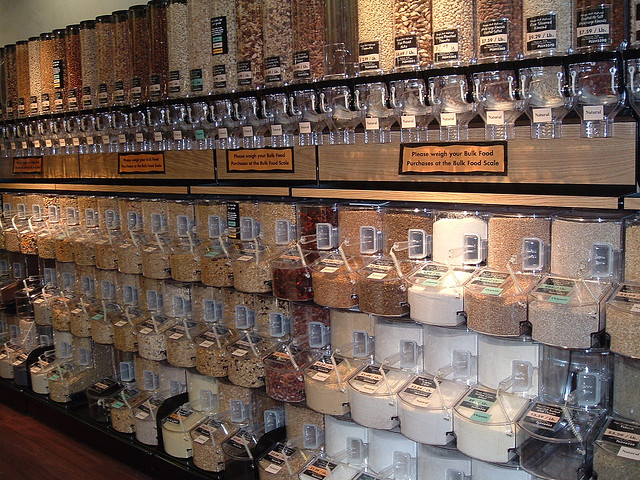
Because the average North American diet is highly grain-based, most of our lectin consumption comes from foods we eat every day (and sometimes every meal): bread, pasta, rice, cereal, and many processed foods.
Grains were never much of a problem for our ancestors. Before the invention of modern agriculture, grains were a minor and seasonal food source.
Our great-great grandparents grew and harvested their own grains, in relatively small amounts, and also soaked, fermented, sprouted and carefully cooked them to decrease their lectin content and make nutrients more available.
Now we can go to the market for 10 minutes and buy a year’s worth of whole grain pasta, bread, rice, quinoa, kamut, amaranth, oats, barley and little animal-shaped crackers. In a relatively short period of time, we’ve gone from eating just a little bit of grain, to a whole lot.
What to do if you’re sensitive to lectins
If you’re sensitive to lectins, there are a number of things you can do to reduce your exposure to them.
Try the following tips:
- Soak, ferment, sprout and/or thoroughly cook lectin-rich grains, legumes, and seeds. (More on how to do that below.)
- Peel and/or de-seed lectin-rich vegetables, such as tomatoes, cucumbers, peppers, and white potatoes.
- Try reducing the amount and frequency of lectin-rich foods in your diet. You can always try an elimination-style diet, with lectin-rich foods as your primary symptom-causing suspect.
If you want to reduce your consumption of lectin-rich foods, build your diet around the low-lectin foods in this chart:
| Foods low in lectins |
|---|
| Cruciferous vegetables (broccoli, kale, cabbage, Brussels sprouts, radish, etc.) |
| Onion and garlic family |
| Celery |
| Carrots |
| Beets |
| Fresh herbs |
| Lettuce greens |
| Spinach |
| Seaweed |
| Berries |
| Avocadoes |
| Green plantains |
| Sweet potatoes |
| Pasture-raised poultry |
| Grass-fed or -finished meat |
| Most seafood, especially wild-caught |
| Coconut and coconut oil |
| Olives and olive oil |
| Hemp seeds and hemp products |
How to reduce or neutralize lectins
The following preparation methods can help to reduce lectins:
Sprouting
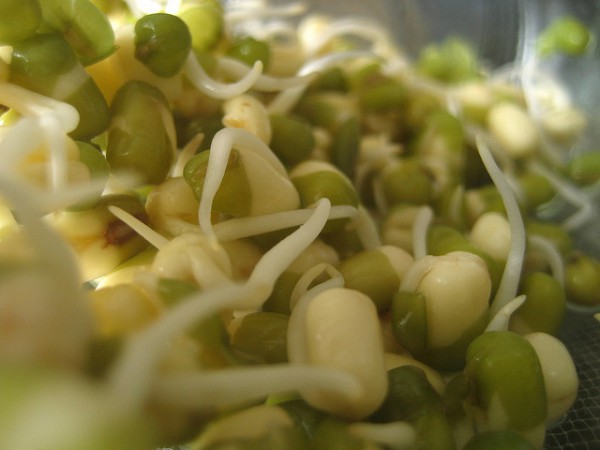
Sprout seeds, grains, or legumes to decrease their lectin content.
Lectins are mostly found in the seed coat. When you add water, the seed germinates, and the coat gets metabolized—along with the lectins. Generally, the longer the sprouting time, the more lectins are deactivated.
In some cases, however, lectin activity is enhanced by sprouting (like alfalfa sprouts).
How to sprout seeds, grains, and legumes:
Place your seeds / grains / legumes in a container and cover by an inch or two of water. Place on the counter, and soak overnight. Rinse thoroughly in a colander under running water, drain, and place back into a clean container. Cover the container with a cheesecloth or mesh wire, then continue to rinse and drain and least twice a day for the next couple of days. Once a little sprout “tail” pokes out, give it a final rinse and prepare as desired. Store leftovers in the fridge for up to five days.
Soaking and cooking
Ever wonder why grandma bothered with the long soak, rinse and boil session when preparing beans and grains?
Our ancestors knew this was the way to make these foods more digestible. And now we know it reduces lectins.
How to soak legumes and grains:
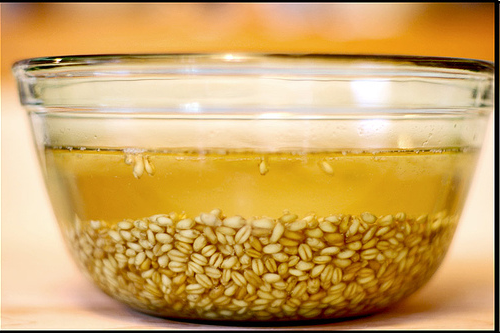
Place your grains or legumes in a container and cover by an inch or two of water. Place on the counter, and soak 4-8 hours. When the time is up, rinse thoroughly in a colander under running water. Cook as usual, until grains or legumes are soft.
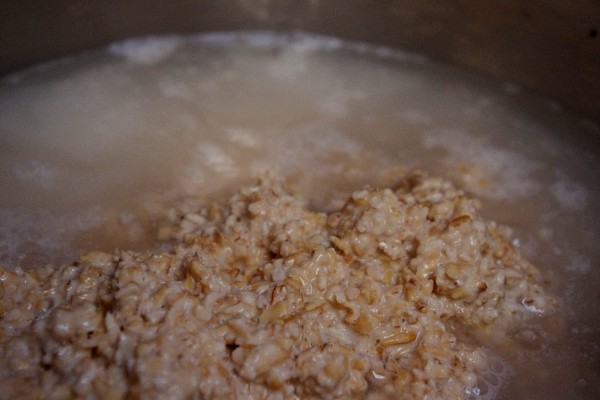
If you have access to one, research confirms that pressure cooking is particularly effective at eliminating lectins—the high-pressure steam reaches temperatures that destroy PHA quickly, and studies show lectin activity in beans can be fully deactivated in as little as 7–10 minutes under pressure.7
And if you’re cooking kidney beans specifically, don’t use a slow cooker. Studies confirm that slow cookers typically only reach internal temperatures of around 75°C (167°F)—well below the 100°C (212°F) needed to fully destroy PHA.8 The FDA’s Bad Bug Book explicitly flags slow-cooker kidney bean preparations as a cause of foodborne illness outbreaks. That said, there’s an easy fix: either boil dried kidney beans vigorously for at least 10 minutes before adding them to a slow cooker, or use canned kidney beans, which have already been through a cooking process and are safe to use in any recipe.
Fermenting
Most cultures around the world have fermented foods in their traditional diet. For example, the Japanese have fermented soy products like miso, tempeh, and natto. Eastern Europeans have sauerkraut and kvass, a fermented drink made from beets or rye berries. Indians make dosas with a fermented lentil and rice batter, and lassis with fermented milk.
Add that to sourdough bread, beer, yogurt, and even chocolate, and you probably have some fermented foods in your diet, too.
During fermentation, beneficial bacteria metabolizes many hard-to-digest compounds, including lectins. But not all lectins are completely destroyed by fermenting, and some particularly stubborn lectins in beans remain no matter how lengthy the treatment.
How to ferment foods:
Fermenting methods for different foods are too numerous to mention here.
Many involve the addition of some beneficial bacteria or a “starter culture” leftover from a previous batch of ferments to start the process. Fermented products often have a pleasantly sour, and sometimes fizzy quality, and can be a good dietary source of probiotics.
So, should we eat lectins or not?
As usual, the verdict is not so clear-cut: Lectins cause problems in some people. In others, they don’t.
Plus:
Some lectins may be good for you.
While many types of lectins cause negative reactions in the body, there are also beneficial lectins that can decrease incidence of certain diseases, such as cancer.
Lectin-containing foods—legumes, whole grains, and vegetables—are also consistently associated with lower rates of cardiovascular disease, type 2 diabetes, and all-cause mortality.7 Clinical trials prescribing multiple servings of beans per week have found significant reductions in C-reactive protein, a key marker of systemic inflammation.
The body also uses lectins to achieve many basic functions. Lectins play a role in regulating the immune system, and making sure cells function normally.6
And, many lectin-rich foods are also good sources of B vitamins, mineral, protein, fiber, and healthy fats.
A 2020 narrative review in Nutrients examined the full body of evidence on lectins and other so-called anti-nutrients and concluded that, for most healthy people eating varied diets with properly prepared foods, lectins do not pose a meaningful health risk.7
(And for what it’s worth: No major health organization currently recommends lectin-free diets for the general population.)
This doesn’t mean lectins have no effects in any individual—people with existing bowel conditions or sensitivities are an exception, as described above—but it does mean the concern applies to a specific subset of people, not to everyone.
So, as long as you don’t have a sensitivity, the benefits of eating lectin-rich food likely outweigh the potential harm.
Pass the (well-cooked) beans!
References
Click here to view the information sources referenced in this article.
If you’re a coach, or you want to be…
You can help people build sustainable nutrition and lifestyle habits that will significantly improve their physical and mental health—while you make a great living doing what you love. We'll show you how.
If you’d like to learn more, consider the PN Level 1 Nutrition Coaching Certification. (You can enroll now at a big discount.)
Share