Eat better to improve recovery? To boost energy? To cut soreness? To improve strength? To reduce inflammation? To reinforce immune protection? You bet!
In this article, Kurtis Frank (one of the brilliant minds behind Examine.com – the web’s most impressive compendium of independent research on supplements and nutrition) helps troubleshoot the most common recovery problems.
Introduction
Think back to the last time you felt at the top of your game – physically and mentally at your very best, enjoying peak performance.
If you imagined your eighth grade field day, your recovery strategy might need some help. (For more about recovery, see All About Recovery.)
The training – recovery cycle
If we want to get fitter and stronger, we need to train hard enough to get our body’s attention — to temporarily and slightly exceed our body’s capacity. Only with intense training does the body grow stronger.
But training itself doesn’t make the magic. The rest between training periods is what actually improves our fitness.
Only while we rest can our body adapt to compensate for the stress we’ve put on it. In other words, recover.
Recovery is what enables fitness and strength.
Thus, training and rest-recovery periods are complementary. You need both.
The better your recovery, the more frequently and more intensely you can train.
Your body’s bank account
Think of training like making withdrawals from a “body bank account.” The more intense the training, the bigger the withdrawal.
Training stress can also combine with other life stressors — such as work, relationships, family, financial or other demands.
Rest and recovery is a deposit into that bank account. And hopefully, you’re putting in a good — and regular — salary of purposeful rest and recovery protocols.
Otherwise, you risk overtraining and over-reaching, i.e. “deficit spending.”
Overtraining & over-reaching
When we ignore our need for rest and recovery, we run the risk of overtraining or over-reaching.
Our body’s “bank account” goes into debt… or worse, total bankruptcy.
The symptoms look the same, and differ mostly by degree.
Overtraining is the most serious version of this “body debt,” and it happens often to bodybuilders and other athletes who reduce their calories too drastically while training heavily and frequently.
Overtraining can involve:
- serious loss of strength and fitness
- significant and chronic joint and muscle pain
- serious changes in mood, such as major depression or other psychiatric issues
- significant sleep disruption
- major immunity problems — frequent and serious illnesses (e.g. bacterial/viral infections, etc.)
- hormonal suppression (e.g. low thyroid, low sex hormones, amenorrhea or irregular periods in women, etc.)
Over-reaching — the milder version of overtraining — is a far more common and insidious problem for recreational exercisers.
Over-reaching can involve:
- low energy and mojo
- persistently “meh” workouts; not really feeling into training
- feeling sore and achey all the time
- feeling mildly irritable, moody, or anxious
- minor, nagging injuries
- not feeling 100% — catching minor bugs, feeling run-down
Basically, in both cases, you feel like crap.
Supplementation: First steps
Step 1: Pay attention
Symptoms sound familiar? That’s okay.
Awareness is the first step in targeting the problem. Consider a symptom diary where you track how you feel — even a few notes in the margin of your workout journal can help you see trends.
Step 2: Do the basics, consistently
The second step is to immediately reinforce your existing good habits. This includes:
- getting enough quality sleep
- getting enough quality nutrients
- actively chasing rest and recovery protocols
Usually, following this “fundamentals first” prescription for a few days – and then committing to maintaining it – will improve your symptoms.
Remember that supplements are supplemental — an addition to the fundamentals.
If you insist on killing yourself in the gym despite your body’s plaintive cries to stop, a supplement probably won’t prevent further damage.
So help the supplements do their job by getting the rest and recovery basics down first. Supplements won’t fix stubbornness.
Step 3: Supplement wisely
However, if you’ve tried the basic rest and recovery strategies consistently for several weeks and you’re still constantly dragging, consider supplementing.
Let’s look at a few common problems.
Problem #1: I’m exhausted and can’t bring myself to work out!
Take a break
First, take it easy for a few days. Really easy.
Build a bedtime routine and ensure you are getting enough deep sleep. (See Hacking sleep: Engineering a high quality, restful night.)
Take an extra day off from the gym.
And when you get back to the gym, either keep your training volume (the amount of reps and sets you do) low, or keep your training intensity (the amount of weight you use) low. Or both.
Stimulate your “calm down” system
Engage in activities that stimulate the parasympathetic nervous system, such as yoga, meditation, and massage. Even very low intensity cycling, walking, or hiking — where you keep your heart rate very low — will do.
Cut the stress
Try to minimize other forms of stress in your life.
This might require some problem solving. You might have to ask for help.
But anything you can do to reduce your stress load will help with your overall energy levels in the gym and outside it.
Supplement 1: Adaptogens
Your first line of defense here is a group of supplements called adaptogens — those that can reduce the effects of stress on the body.
You can take adaptogens before a stressful event to eliminate or dampen the stressor’s effects.
And/or you can take adaptogens after a stressful event to help alleviate its effects.
Adaptogens don’t fight fatigue in the way that a performance enhancer does – that is, they won’t help your workout under normal conditions. But they can reduce or prevent the creeping fatigue that comes with overreaching.
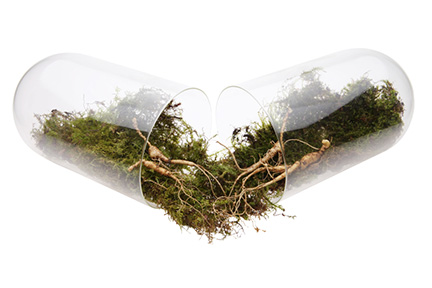
There are many adaptogens, but the two most well-researched are panax ginseng and Rhodiola rosea.
Both these supplements reduce the perception of stress and fatigue in humans, and rhodiola has shown both prophylactic and rehabilitative effectiveness.
Another adaptogen currently in the preliminary stage of research is known as potency wood (technically Muira puama).
Weightlifters in South America appear to have used it with some success, so in the future it might be worth consideration.
Supplement 2: L-tyrosine
L-tyrosine is an amino acid that is the precursor of the neurotransmitters known as catecholamines (adrenaline, noradrenaline, and dopamine).
When we’re stressed and tired, our catecholamines get depleted. Supplementing l-tyrosine doesn’t seem to increase these neurotransmitters in the brain and body, but it does provide more of the raw materials to make them.
Problem #2: I just don’t feel very strong in the gym!
It’s normal to feel tired and a bit weaker in the hours immediately following a tough workout.
But within a few days, you should be performing as well, or better, than before. If not, something’s wrong with your recovery process.
Eat more – especially carbs
To address persistent weakness, first try increasing calories, particularly before or during an exercise session.
If your diet is low in carbohydrates, this is a good time to reintroduce some.
And if you’re trying to lose weight, remember that the best time to eat your carbs is just before or after your workout, and if you keep your portions reasonable (and focus on healthy carbs), an extra spoonful or two of sweet potato is unlikely to interfere with your goals.
Go easier
Go lighter at the gym for a few days. Keep moving, but reduce your weights for a couple of days (and perhaps add more reps). This should be enough to give your body time to rejuvenate.
If you’re female and menstruating, get to know your natural strength variations with your cycle. Most women notice hormonally-based strength and energy differences over the month. Put your lighter workouts on days you know you’ll have less gas in the tank.
Check your meds
Muscle weakness is a common side effect of many medications, such as statin drugs or corticosteroids (e.g. Prednisone).
Supplement 1: Vitamins & minerals
Nutrient deficiencies can show up as muscle weakness. This includes:
- low B12 (common in plant-based eaters who don’t supplement)
- low vitamin D (very common — up to 80% of people may be deficient)
- low iron (common in endurance athletes, exercising women, and/or plant-based eaters)
If you suspect any of these might be the case, get your levels checked and then supplement accordingly.
Supplement 2: Cholinergenics & caffeine
If adjusting your diet and workload doesn’t help, consider cholinergics or caffeine.
Research on caffeine shows that it enhances power output when consumed in high doses (400-500mg) before training, although most folks will do fine with around 100-200 mg (the equivalent of 1 to 1.5 cups of coffee), especially if they’re not regular consumers.
Cholinergics are less well understood. Even Alpha-GPC, the most well-supported, is still in the preliminary stages of research, and while it appears to be effective, the body of evidence on it is quite small.
Problem #3: I’m sore!
Persistent soreness is a pretty big obstacle to fitness, because the more sore you get, the less you want to work out, and the less well you are able to perform, even if you do persevere through your pain.
The ideal fitness regime would be so balanced and well planned that it would never result in soreness. But reality doesn’t always work that way. So whenever we encounter lingering soreness, we need to focus on rehabilitation.
Check your meds
As with muscle weakness, muscle pain is a frequent side effect of many common medications.
And ironically, some of the painkilling medications you might take can actually interfere with recovery.
Inflammation arises when immune cells are recruited into the muscle compartment. And while inflammation leads to soreness, it also contributes to protein synthesis.
Meanwhile, anything that reduces inflammation (such as ibuprofen or naproxen anti-inflammatory drugs) can also inhibit protein synthesis and therefore, interfere with muscle growth.
In other words, if you’re aiming to become stronger, you may have to put up with a bit of DOMS (delayed onset muscle soreness).
Check your head
Pain perception can also be affected by stress, stage of the menstrual cycle (for women), and individual tolerance.
Mental and emotional health strongly affects pain perception as well — for instance, major depression can exacerbate persistent pain.
Supplement 1: Workout nutrition
Sipping carbohydrates during your workouts is one easy fix. No need to buy a fancy mixture because even simple table sugar will work.
And if you haven’t eaten anything yet, adding protein or EAA to this solution might be useful.
(For more about workout and post-workout nutrition, see Workout Nutrition Explained)
Otherwise, pre-workout supplementation using HMB in free acid form may reduce next-day muscle soreness and make users feel better prepared for their next workout.
HMB in the standard form (calcium salt) is less effective and not as time-dependent, so I don’t recommend that option.
Supplement 2: Curcumin
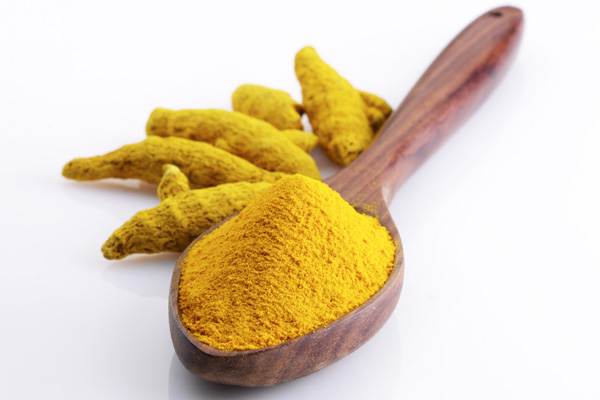
If you prefer a nutritional supplement, high dose curcumin (400-500mg) can be a viable option, assuming a form that enhances absorption (phytosome or paired with piperidine).
Cucumin is found in turmeric, one of the main components of many curry seasonings.
Supplement 3: Fish oil
Fish oil can reduce morning stiffness and the joint pain associated with arthritis. This is because fish oil’s omega-3 fatty acids play an important role in reducing inflammation and maintaining healthy cells throughout our bodies.
Many athletes also swear that fish oil reduces DOMS. (Click here to read more about fish oil.)
Supplement 4: Cissus quadrangularis
Cissus is a traditional Chinese medicine sometimes referred to as a “life extension agent.” In fact, it adds more life to years rather than adding more years to life. It mobilizes people’s joints and reduces their joint pain, making them feel more youthful.
Cissus has a reputation as an “underground” supplement due to its frequent use by athletes and other hard trainers in gyms. There’s more research on fish oil and curcumin, so it’s not often recommended.
It appears to have slight yet significant effects on muscle soreness, and more robust effects on joint pain. So if your joints are always hurting, it might be worth investigation.
Supplement 5: Eggshell membrane
A few studies have shown that eggshell membrane may be a safe and effective option for the pain and inflexibility associated with joint and connective tissue disorders.
Problem #4: I’m always getting sick!
Check your sleep and diet
Not to sound like a broken record, but if your immunity is low and you’re not sleeping well, fix that first. Sleep really does cure all manner of ills.
And make sure to eat for optimized immunity, too.
Check your stress
Chronic stress will also lower immunity. Our immune system is great at handling acute stressors — like, say, a single bout of exercise — but not so great at handling the slow, grinding, day-to-day stressors.
In general, moderate exercise boosts immunity. But past a certain intensity and/or frequency, exercise is a stressor.
So if you’re logging zillions of miles or slamming the metabolic conditioning circuits several times a week, your body is probably giving you a message. Check out our infographic on exercise and immunity for more info on this.
Supplement 1: Garlic
Garlic’s unique combination of volatile compounds make it a powerful immune supporter.
Garlic stimulates the two main classes of antibacterial and immunosupportive cells (macrophages and natural killer cells) and also activates a less-well known third type (gamma-delta T cells).
All three work to eliminate pathogens (or vampires) before they can cause symptoms.
To use it as a supplement, you’ll need the main bioactive (allicin) in a dose that equals 9 grams a day – about 2 to 3 cloves. You can also take an aged garlic supplement at 2,560 mg daily.
Taking garlic in these doses can reduce the occurrence of sickness by 60%; in other words, for every 100 people who get sick while taking a placebo, only 40 people will get sick while taking garlic. This level of potency puts echinacea to shame.
Some folks even like to chop up fresh garlic cloves and swallow them like pills instead.
Choose whichever option your friends, family, coworkers, and people across the street can tolerate.
A quick note: Garlic produces allicin to defend against damage. Thus, to get the benefits of fresh garlic, chop or crush it and then let it sit for 5-10 minutes to allow the chemical compounds to fully develop.
Then you can cook with it (or, perhaps snack on it) as you like.
Supplement 2: Andrographis paniculata
Garlic is a great preventative, but it doesn’t help you all that much when you actually get sick. So what should you do if your garlic supplements didn’t work and you come down with something?
You might try Andrographis paniculata, which appears to be the active ingredient in a Chinese medicine known as Kan-Jang.
Taking this herb can reduce symptom frequency and severity in as few as two days, and is a great option for when you are sick.
Recovery: what you can do
1. Prioritize comprehensive recovery
As PN recommends in its coaching programs, make recovery a priority in order to sustain long-term health and performance.
-
Get enough (and high quality) sleep. Establish and follow a bedtime routine.
-
Balance and vary your fitness program.
-
Take it easier in the gym for a few days.
-
Get enough calories and replenishing nutrients. If you’re training hard, feed the machine. Don’t drastically restrict your food intake.
-
Tune into your body’s signals. Track these in your workout journal if you can. Notice trends.
-
Reduce your overall stress load as much as you can.
2. Supplement appropriately
If you’ve followed these guidelines consistently for several weeks and still feel tired, sore, and weaker than you’d like, consider the short-term use of a supplement to aid your recovery.
3. Get help if you need it
If you get no results from supplementation: See your health care provider. Chronic fatigue, pain, and weakness can signal a more serious health problem.
Eat, move, and live… better.©
The health and fitness world can sometimes be a confusing place. But it doesn't have to be.
Let us help you make sense of it all with this free special report.
In it you'll learn the best eating, exercise, and lifestyle strategies — unique and personal — for you.
Click here to download the special report, for free.


Share