Wondering if your nutrient intake stacks up? Check out these strategies to make sure you’re getting what you need.
- Want to listen instead of read? Download the audio recording here…
++
Last year, I visited a good friend in Vermont. She and her family live in an old farmhouse on a bunch of land — enough for a massive garden, where she grows most of the plants they eat.
Picture rolling green hills, baskets of bright heirloom tomatoes, and little kids in galoshes. (Plus a layer of potting soil on most household surfaces).
My friend’s family eats from their own farm to table pretty much every night. She knows nutrients.
So it was really funny when she looked up from a steam pot one night and brazenly announced, “I like my green beans overcooked.” Like, limp. Like, wilted. Like you’re not supposed to like them.
The nerviness! The waste! The nutrients evaporating from those beans!
That’s what a lot of my “clean-food” obsessed peers would say, at least.
Is raw (or lightly cooked) really always best for your health?
I checked with three of Precision Nutrition’s nutrition experts: Ryan Andrews, Sarah Maughan, and Brian St. Pierre, all coaches in our men’s and women’s nutrition programs (and all credentialed beyond belief).
Turns out, the story is a lot more interesting than “cooked vs. raw”.
As you prepare, bite, chew, and digest, you create a series of mechanical and chemical changes that affect:
- a food’s nutritional content (i.e. the nutrients it contains) and
- each nutrient’s “bioavailability” (i.e. the degree to which it can be absorbed by your body).
This means:
- Some nutrients are indeed best available when the foods containing them are eaten raw.
- But other nutrients are best available when the foods containing them are cooked, or broken down by cutting or crushing, and/or eaten alongside other foods.
Here are the 10 best ways to get the most nutrition from your food.
1. Eat locally grown food soon after it’s been picked.
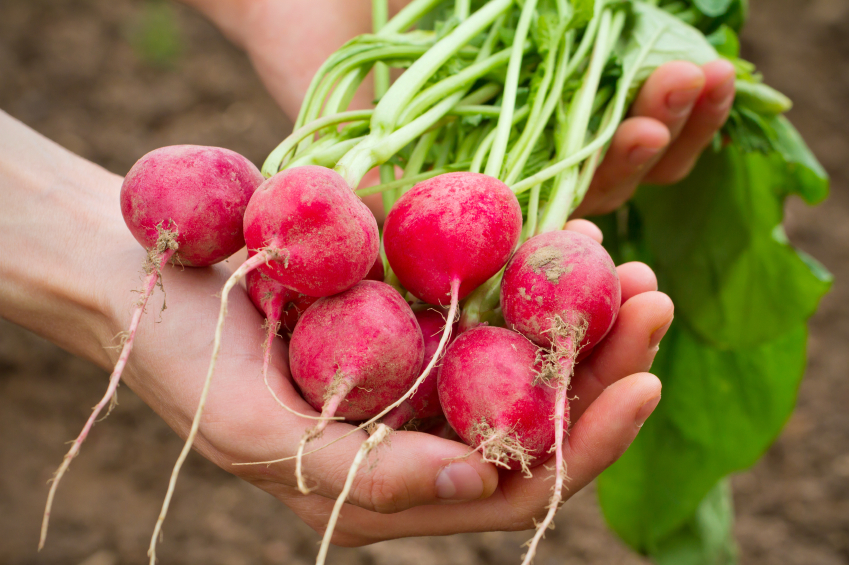
Eating locally grown and “straight from the earth” maximizes the vitamins and minerals (and deliciousness) you get from your produce.
Plucking them from the soil (or vine, or bush, or tree) means separating them from their nutrient source. The longer they’re separated, the more nutritional value they lose.
Some experts estimate that by the time you pick up a “fresh” fruit or vegetable at the grocery store, it may have lost 15-60 percent of many vitamins … unless you can buy and eat it within 72 hours of harvest.
Forget organic vs. traditional — that’s another debate altogether — when it comes to nutrients, local is king. That’s why hitting a local farm, or farmers market, ensures that you’re getting the most nutrient-dense product.
My only problem: I live in New Jersey. And not the “Garden State” part, either. Shop Rite (or “Shop Wrong”, as a neighbor calls it) is much more convenient than our cute but very limited farmer’s market.
Plus, there’s winter. Not a ton of freshly harvested produce to be had in the American northeast from November to June.
Thankfully, there are a lot of other ways to get the most nutrition from the food you eat — without having to sell your home and move out to the country.
Save $200 on the industry's top nutrition certification
Help people improve their health and fitness—while making a great full-time or part-time living doing what you love.

2. Soak, chop, crush, blend.
These basics of food prep can make vitamins, minerals, and other compounds more available in a few ways:
- Cutting up fruits and vegetables generally frees up the nutrients by breaking down rigid plant cell walls.
- Crushing and chopping onion and garlic releases alliinase, an enzyme in these foods that helps form a nutrient called allicin. Allicin, when eaten, helps form other compounds that may protect us against disease.
- Soaking grains and beans reduces phytic acid, which might — in part — block your absorption of iron, zinc, calcium, and magnesium.
If you’ve already been doing these things, great. Now you know why they work.
3. Store fruits and vegetables the right way.
When thinking about storage, balance two things:
- Make it easy to eat your plants: Keep fruits and vegetables where you’re most likely to access them.
- Slow down nutrient loss: Heat, light, and oxygen degrade nutrients.
That’s why you should store…
- all vegetables — except those of the root variety — in the refrigerator until you need them.
- all fruits except berries — this includes tomatoes and avocados — at room temperature away from direct light.
- all cut fruits and vegetables with a squeeze of lemon juice on them and in an airtight container. (Cut produce rapidly oxidizes and vitamin C, an antioxidant, slows decay.)
- all herbs — with their amazing phytonutrients — chopped up and frozen in an ice cube tray with water. (Maughan says she sees a lot of clients leave them unused — and eventually unusable — when they’re stored in the produce drawer.)
4. Eat most sources of water-soluble and heat-sensitive nutrients raw.
Heat breaks down vitamin B1, vitamin B5, folate, and vitamin C, so you get more of these when you eat certain foods raw.
Thus, foods like:
- sunflower seeds, peas, beet greens, and Brussels sprouts (sources of vitamin B1),
- broccoli, cauliflower, kale, and avocado (sources of vitamin B5),
- spinach, turnip greens, broccoli (sources of folate), and
- bell peppers, broccoli, and Brussels sprouts (sources of vitamin C)
are generally best eaten raw to maximize absorption of these water-soluble nutrients.
For example, raw spinach contains 3 times more vitamin C than cooked spinach.
You lose water-soluble B-vitamins and vitamin C when you boil them. So, if you’d like to cook these types of foods, cook them at low heat without exposing them to too much water.
This includes:
- blanching;
- steaming;
- sautéeing;
- roasting; and/or
- microwaving.
5. Know which foods are best when cooked.
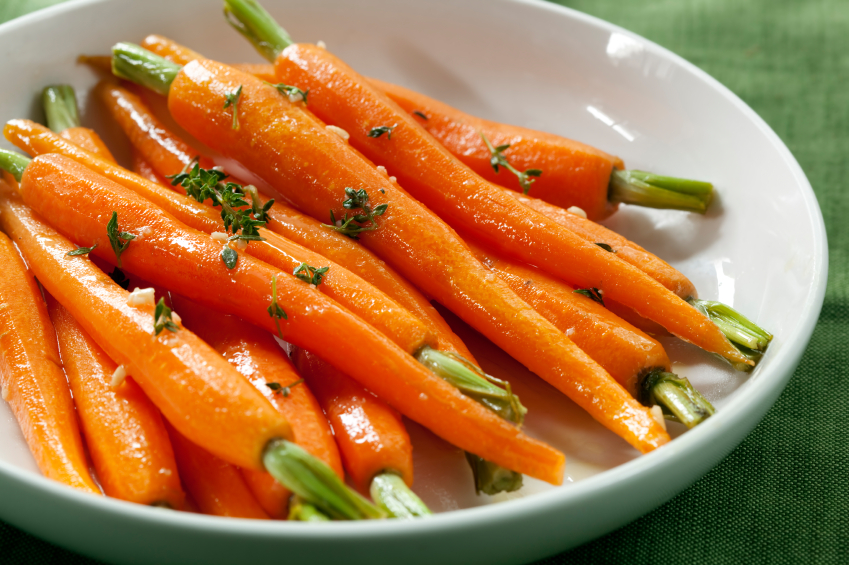
There’s actually a wide range of nutrient loss from cooking — anywhere from 15 to 55 percent. In most cases, you lose the most nutrients by boiling in water.
But some foods actually deliver the most nutrients when cooked.
For example, cooking:
- significantly increases bioavailability of lycopene, found in tomatoes. Research shows that lycopene increases by 25 percent when tomatoes are boiled for 30 minutes.
- significantly increases the bioavailability of beta carotene, found in red/orange/yellow plants like tomatoes, carrots, sweet potato, and spinach. Cooking helps here by breaking down the plants’ cell walls.
- denatures protein in eggs and meat, making them much more digestible.
- makes iron and other minerals more available for absorption by decreasing oxalates, an acid that makes the minerals inaccessible by binding to them.
- reduces certain harmful food components, such as cyanide (found in yuca) and possible anti-nutrients (found in grains and beans), making way for all the good stuff those foods have to offer.
Pro tip: If you do end up boiling veggies, keep the liquid for something like soup stock. This way you can eat those nutrients later and they’re not really “lost”.
As always, keep the big picture in mind: Boiled potatoes are still far better than French fries.
6. Pair food strategically to maximize nutrient absorption.
Many world cuisines put particular foods together. (Think of greens with lemon and olive oil in Italian cooking, or the complex spice blends in Caribbean, African, or South Asian cooking.)
Perhaps over 20,000-odd years of trial and error, cooks figured out instinctively that a “balanced” diet with a wide variety of foods is the best kind.
Putting the right foods together doesn’t just taste awesome, it also helps you absorb all nutrients in the foods you do eat.
Here are a few examples.
Pair fat with fat.
Eat foods that contain the fat-soluble vitamins A, D, E, and K with dietary fats, which help dissolve the vitamins and ready them for absorption.
Therefore, foods like:
- sweet potatoes, carrots, and squash (vitamin A),
- eggs and mushrooms (vitamin D),
- spinach, Swiss chard, and asparagus (vitamin E), and
- kale, spinach, and broccoli (vitamin K)
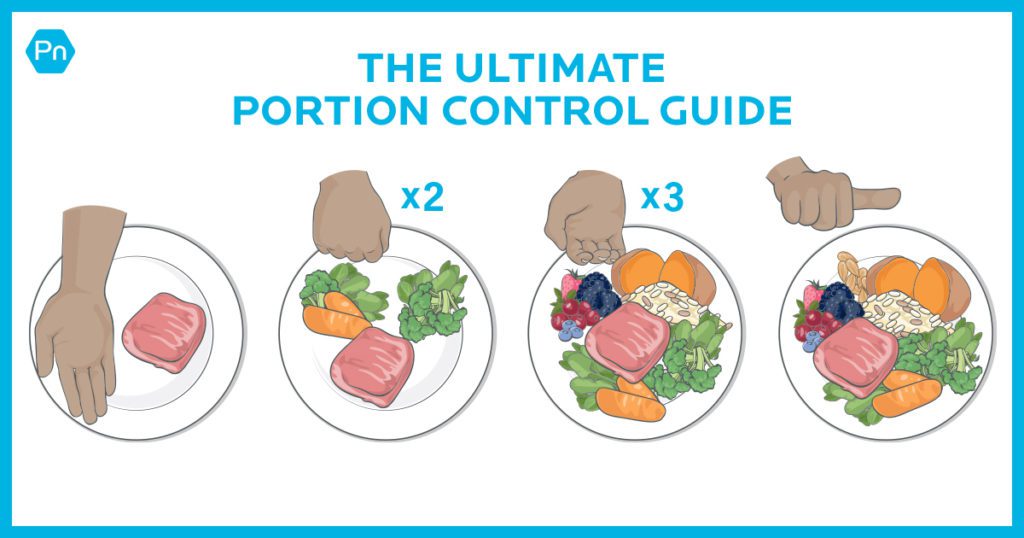
all go better with 1-2 thumb-sized portions of healthy fats like:
- mixed nuts;
- avocado;
- olive oil;
- coconut oil; and/or
- butter.
Cool note: Foods like salmon (which contains vitamin D), egg yolk and liver (vitamin A) and sunflower seeds (vitamin E) take care of themselves, since they’ve got their own healthy fat.
Pair iron with vitamin C.
Iron from non-meat sources is known as nonheme iron. Nonheme iron is not as well absorbed as heme iron, which is found in animal foods (such as red meat or dark poultry).
To absorb the nonheme iron from our plant friends up to 6 times better, pair them with foods rich in vitamin C.
This works in two ways:
- Vitamin C can help the plant food “let go of” the mineral.
- Vitamin C can block other dietary compounds that can inhibit absorption.
Therefore foods like:
- spinach,
- kale,
- soybeans, and
- lentils
all go better with:
- a squeeze of lemon juice,
- orange slices,
- strawberries, or
- chili peppers.
Think: Spinach salad with orange slices, strawberries, and a lemon juice vinaigrette. Or braised kale with chilis and a squeeze of lemon.
Pair iron and zinc with sulfur.
Finally, foods rich in iron and zinc are usually best eaten with foods rich in sulfur. Sulfur binds to these minerals and helps you absorb them better.
Therefore foods like:
- liver, beef, and turkey (rich in iron)
- oysters, beef, and turkey (rich in zinc)
all go better with garlic, onion, and egg yolks. (Visit your local deli to get Bubbie’s delicious chicken liver and egg yolk pâté.)
7. Keep it simple.
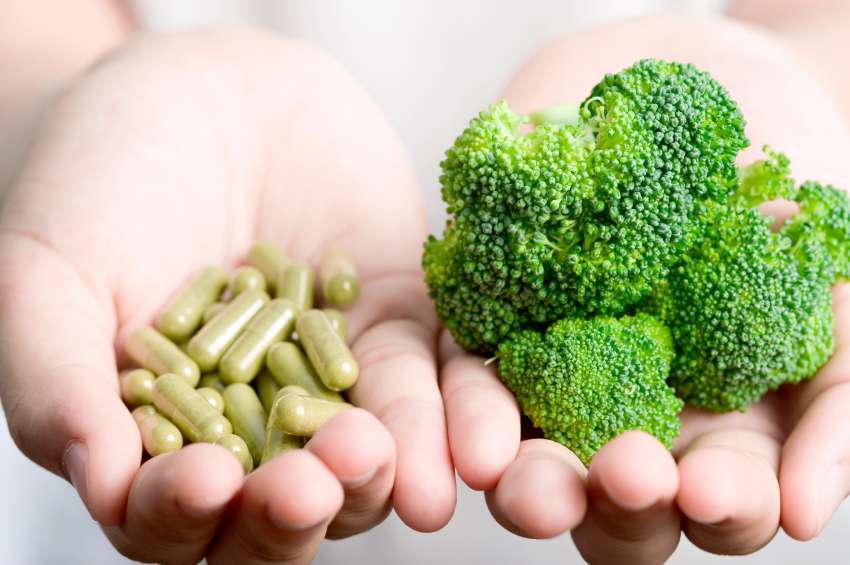
Don’t start creating spreadsheets to track all of this. Keep it simple and sane.
It’s still better to eat broccoli any way you can get it than to not eat it because it’s not “perfect”. As Brian “Voice of Reason” St. Pierre likes to say:
“60 percent of something is still better than 0 percent of nothing.”
It’s also important to factor in things like the quantity. For example, it’s a lot easier to eat five cups of cooked spinach (and all the nutrients therein) than five cups of raw spinach.
Sometimes the cooked and raw versions of a food are equally nutritious, just in different ways. For example, raw spinach might have more iron, but it also has more of the chemicals that block your absorption of iron.
Here’s a great rule of thumb in case you carry a little of the “to cook” or “not to cook” angst.
- Water soluble vitamins (vitamins B and C) lose the most nutrients when cooked.
- Fat soluble vitamins (vitamins A, D, E, K) lose the fewest nutrients when cooked.
- Just eat some darn vegetables already.
8. Don’t discount frozen foods.
Does frozen broccoli have the same nutritional value as the stuff you just picked from the earth and ate raw? Maybe not. But how often do you eat raw, straight from the earth?
Research shows that processing can decrease a food’s vitamin C content by 10-90 percent. But the reality is that frozen or canned fruits and veggies come in handy when you’re busy. And a little vitamin C is better than none.
“I’ve seen too many clients opt for pizza because they think the frozen broccoli is the nutritional equivalent of cardboard,” Andrews says. Don’t be those people.
Remember, too that fiber isn’t affected much by freezing or canning. So eat your veggies … however you can get them.
9. If possible, try an animal source.
Many animal-based sources of vitamins and minerals are more bioavailable than plant-based sources (which may bind up vitamins and minerals chemically, or require a lot of steps to be converted to what our bodies prefer).
For instance, as we’ve noted, the iron you get from meat is more available for absorption than the iron you get from plants:
- Heme iron, found in animal protein, is encased in hemoglobin molecules, which protect the nutrient from getting degraded by other nutrients and minerals in your GI tract. That means you’re absorbing the iron intact via gut cells that are specifically designed to take up the nutrient.
- Nonheme iron, from vegetable sources like spinach, starts to change the minute it comes into contact with other stuff in your intestines, meaning you can only absorb a small fraction of it.
The same is true of many other vitamins and minerals, such as calcium or vitamin A.
We think that’s a great reason to enjoy a nice ribeye or sashimi platter from time to time.
If you’re an exclusively plant-based eater, remember you might have to work a little harder to pry some of those vitamins and minerals from your produce buddies.
10. Monitor your tolerance.
Nutrients don’t do you much good if you’ve got an undetected food intolerance that keeps you from absorbing them.
Unfortunately, not everyone tolerates raw foods very well even if they’re technically “better for you” sometimes.
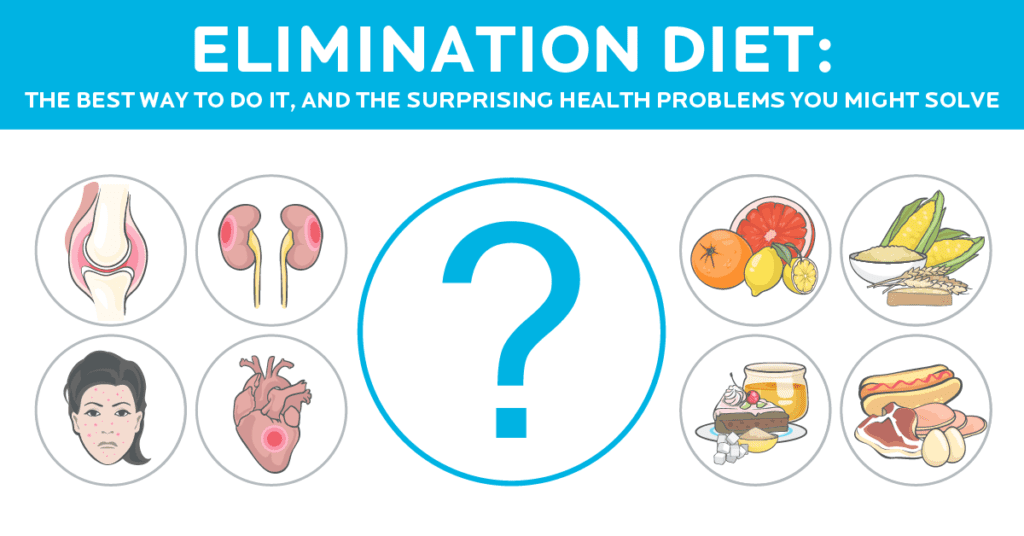
If you have GI symptoms such as gas, bloating, or problems with your stool, consider an elimination diet to figure out what you’re not tolerating, and see a doc (nutrient deficiencies are more common than you might think).
Once you eliminate the foods that affect you the most, you can better optimize your nutrient intake.
What to do next
Remember: We don’t believe in wondering and worrying, or making too much of a fuss about your food choices. Keep things sane and simple.
If you’d like to improve your nutrient intake a bit, here are some simple steps you can take, in order of importance:
1. Just eat.
Choose a wide variety of whole foods. The fresher and more colorful, the better. Do that and you’re 99 percent there.
2. Eat a combo of raw and cooked dishes.
Focus on the foods you enjoy, the way you like them prepared. That way you’ll actually eat them.
3. Want to level up?
If you’re already eating at least 5 fist-sized servings of veggies each day, and want to improve your nutrient intake without supplements, consider:
- eating more locally grown produce,
- consuming that produce soon after harvested,
- eating most vegetables raw or lightly cooked,
- eating other vegetables cooked,
- storing your fruits and veggies appropriately, and
- pairing complementary foods to maximize absorption.
4. Look to traditional or ancestral cuisines for cues.
These diets have often figured out how to make the most of micronutrients. For instance:
- The famed Mediterranean diet includes both crushed garlic and cooked tomatoes, as well as the antimicrobial powers of the phytonutrients in fresh herbs. They also enjoy nutrient-rich organ meats.
- South Asian and Caribbean cuisine does the same and throws in some anti-inflammatory turmeric and ginger plus painkilling hot peppers for good measure.
- Arctic cultures such as Scandinavians and Inuit make sure to eat fish liver to give them enough vitamin D during the long, sunless winters. (The famous Icelandic sheep’s head dish, or svið, offers phosphorus and vitamin A to brave eaters who consume the eyes.)
As you learn more about nutrition, look at world cuisines and notice what foods they traditionally put together in dishes and meals. There may be a reason beyond just taste!
5. Think you have a food intolerance and/or nutrient deficiency?
Get to the bottom of those through dietary analysis or nutrient testing and work with a healthcare professional to get them corrected.
References
Click here to view the information sources referenced in this article.
If you’re a coach, or you want to be…
You can help people build sustainable nutrition and lifestyle habits that will significantly improve their physical and mental health—while you make a great living doing what you love. We'll show you how.
If you’d like to learn more, consider the PN Level 1 Nutrition Coaching Certification. (You can enroll now at a big discount.)
Share