What are plant oils?
Plant oils are fats taken from plants — usually from plants’ seeds.
Like most food fats, plant oils help improve the palatability of foods and serve as a medium for cooking. The variety of plant oils has expanded in the past few decades.
For example, you can probably find most of the following at a well-stocked supermarket and/or health food store:
|
|
(For a full list of plant oils, see here.)
However, you’re more likely to find refined, processed plant oils than to find cold-pressed, fresh ones. For example, you’ll probably find corn or soybean oil-based margarine, and many hydrogenated or refined oils in prepared foods. You might also find things like orange oil in cleaning products, or shea butter in cosmetics.
Which plant oils are better for you?
Plant oils aren’t all equally healthy just because they come from plants. To understand which plant oils are healthier and why, you need to know a few things.
| What to ask | Why? | Look for | Avoid |
| How was the oil made? | Refined seed oils are often subjected to high temperatures and harsh chemicals (such as bleaches, solvents, and deodorizers) that strip them of many nutrients. These are the most popular oils consumed in North America.In comparison, “virgin” oils are simply ground and then centrifuged to separate the seed mush from the oil that emerges; “extra virgin” oils must meet rigorous criteria for purity and chemical composition. | Virgin or extra-virginCold-pressedOils with a natural, fresh colour and scent | Hydrogenated fats such as margarine Most commercial cooking oilsFlavourless, odourless, colourless oils |
| What to ask | Why? | Look for | Avoid |
| How close is the oil to its original form? | Refined oils can go through several steps before they reach their final destination: mashing, stripping, deodorizing, bleaching, high-temperature refining, chemical alteration, re-colouring, etc.You’re looking for oils that have taken only a few steps: pressing, separation, and bottling. | Virgin or extra-virginCold-pressedOils that need to be carefully stored and even refrigerated | Hydrogenated fats such as margarine Most commercial cooking oilsCooking spraysOils that seem to last forever |
| What to ask | Why? | Look for | Avoid |
| If the oil/fat is in a solid form, should it actually be in a liquid form? | Almost no plant oil should be solid at room temperature, though some do get a bit cloudy and semi-solid in very cold temperatures. A few of the “butters” (such as cocoa and shea butter) and coconut oil are the exception, because they have a high saturated fat content. If an oil is solid, that probably means it’s been chemically altered — usually by hydrogenation. | Liquid oil (for most plant oils)Extra-virgin coconut oil | Most solid plant-based fats |
| What to ask | Why? | Look for | Avoid |
| What’s the fatty acid breakdown? | In general, you want:
Most commercial plant oils are omega-6 fatty acids. Commercially refined fats can also include trans- fats, either as part of processing, or resulting from cooking with hydrogenated oils. |
Higher in omega-3Flax seed Pumpkin seed Hemp seed Walnut seedHigher in monounsaturatedAlmond Avocado seed Olive Palm PeanutHigher in saturatedUnrefined coconut Unrefined palm |
Higher in omega-6Almost all commercial cooking oils: corn, soy, canola, safflower, etc.Trans fatsCommercially prepared foods, especially fried and baked goods |
Two of the most popular plant oils are olive oil and coconut oil.
What is olive oil?
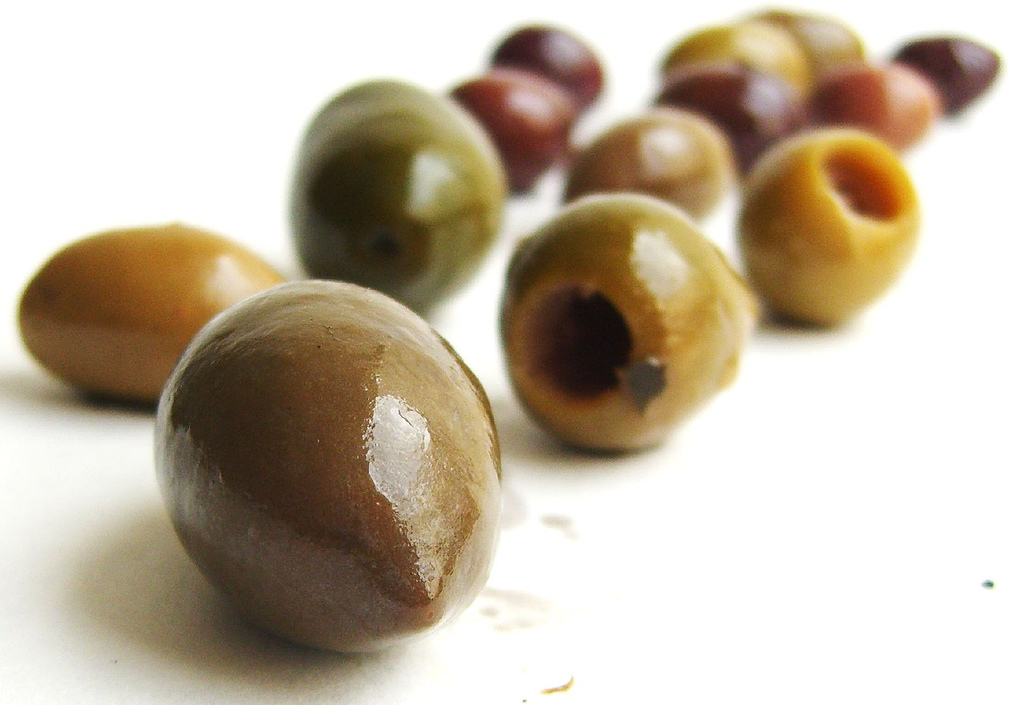
There are thousands of olive varieties but only 150 make up 90% of the world’s production. This widely used oil is a staple in Greece, Italy, Portugal and Spain. It contains antioxidants, fat soluble vitamins and primarily monounsaturated fat.
The olive tree is linked with the history of agriculture and was already being cultivated 5000 years ago.
Olive oil was regarded as a treasure. Where there was no olive trees, people resorted to butter for cooking. Where there were olive trees, people used olive oil. Religious fasts that prohibited animal consumption presented a problem for butter, making olive oil more trendy.
It’s difficult to pick olives mechanically since the twigs are delicate and the olives are fragile. Green olives are picked unripe, for eating. Black olives, which ripen at the time of the first frost, are those used for oil.
The oldest technique for oil extraction was the stone mortar, with olives first being crushed by foot. A badass job in third millennium BC was an olive crusher.
Virgin olive oil is from the first pressing. It has a distinct flavor and should be eaten fresh. Transporting this oil in cans sheltered from light is best. Refined oil from the second pressing has fewer beneficial properties but is more shelf stable.
Olive oil production
Most olives contain about 30% oil by volume. After processing the olives, you’re left with water, oil and a husk. The husk can be composted and placed back in the field. Or it can be burned to produce heat for processing. Unfortunately, some waste is trucked to a landfill.
What is coconut oil?
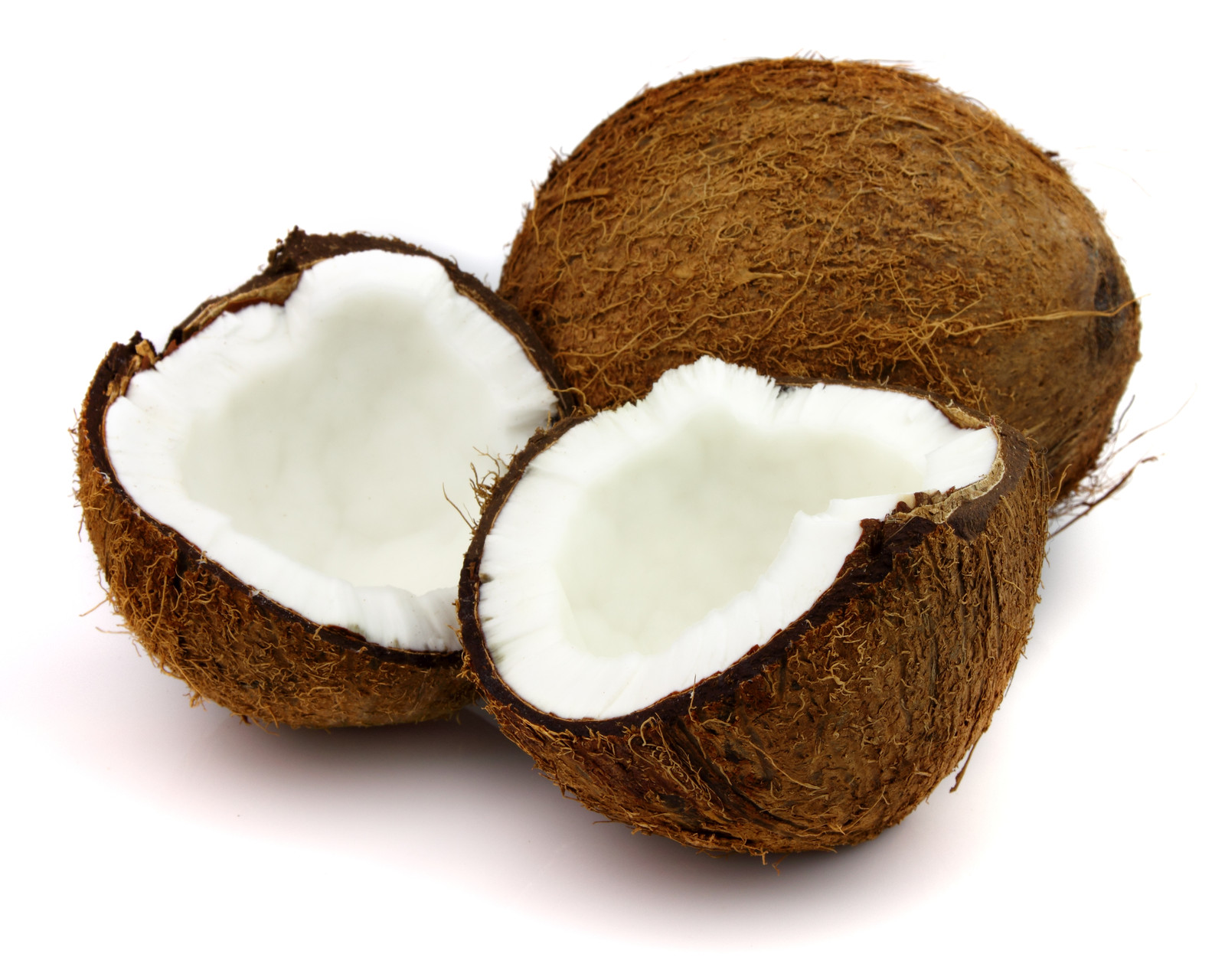
Coconut palm trees grow in tropical regions and can bloom up to 13 times each year. Polynesians and Melanesians call it the “Tree of Life.”
The whole coconut can be used for water, milk, meat, sugar and oil.
If you have experience, it also functions as a bowl or cup. Bonus. (And unless Gilligan’s Island lied to me, you can make a variety of technological gadgets from coconut husks.)
Coconut oil is extracted from coconut meat. It’s made by shredding and cold pressing coconut flesh while moist (wet milling). The oil and milk will then separate. Heating and/or fermentation can also be used to extract oil.
Coconut oil production
The leftover husks can be used to make fishnets, rope and mats. The leftover pulp can be composted or disposed of.
Why plant oils are important
We consume lots of plant oils. Annual consumption in the U.S. has increased over the last few decades.
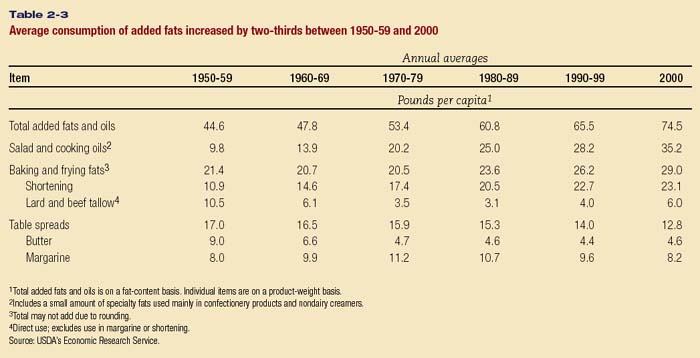
Plant oils are often promoted as being “healthy” by the food industry. The forms in which we consume plant oils include margarine, processed foods, salad oils and cooking oils.
Still, it’s important to remember that data on fat consumption assumes all of it is actually consumed. There is no direct measure of the fats and oils we waste. Like the stuff in deep frying.
What you should know
About olive oil
Ancient medicine attributes many health benefits to virgin olive oil. Still, it provides very low amounts of the essential fats (omega-3 & omega-6). Olive oil isn’t very heat stable and is best used for cold dishes or only under moderate heat.
Non virgin olive oil is lower in quality and nutrients. This describes many commercial varieties. Virgin & extra virgin are the least processed.
Olive oil is healthier than many other oils, but using high amounts isn’t necessarily a good idea. High levels of fat, from any source, can diminish vessel elasticity, compromise immune function and promote atherosclerosis.
When olive oil replaces other saturated and trans fats in the diet, it can help to lower LDL levels.
About coconut oil
Sri Lankans and Tokelauans consume coconut on a regular basis and they tend to be healthy groups, but they also maintain a healthy weight and avoid processed foods.
Coconut oil is over 90% saturated fat and is almost entirely void of any essential nutrients. Ounce for ounce, coconut oil has more saturated fat than butter, beef tallow, and
lard. Coconut oil will likely raise LDL as much or more than animal fats, if used in equal amounts.
This oil is more heat stable and can be used for higher heat cooking.
Some of the fats in coconut oil are of medium length (MCTs) and bypass the lymphatic system. They go directly to the liver for energy production. Further, one of the fatty acids in coconut, lauric acid, has a slightly higher thermic effect than other fats. Still, coconut oil contains very low levels of essential fats (omega-3 & omega-6).
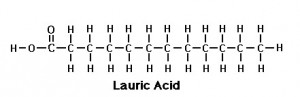
One of the common claims for coconut oil is that it contains relatively high levels of MCTs (caproic, caprylic, and capric acids to be specific) that do not raise (or even lower) LDL levels. Other data show that MCTs help to moderate body fat. Coconut oil contains about 60% MCTs. Remember, the more refined and fractioned the oil, the fewer MCTs.
There are numerous studies showing that coconut oil raises LDL when it replaces other oils in the diet. Overall, the data is mixed.
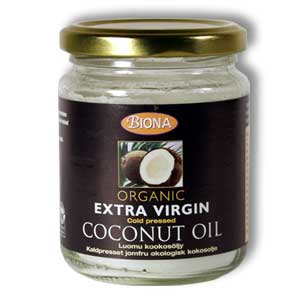
Expeller pressed, unrefined or virgin oil is the best and retains a slight coconut aroma and taste. Refined versions are tasteless. Coconut oil keeps for 2 years in a dark, cool place and will remain solid at room temperature.
Summary and recommendations
Attaining most of our fats from whole food sources (e.g., the whole olive and coconut) rather than from isolated oils (e.g., olive oil and coconut oil) seems to be the best option for health and body composition.
When we begin to extract fats from whole food sources and use them in appreciable amounts, we lose nutrients and health problems may result.
When plant oils are used, the best options include organic, unrefined, virgin or extra-virgin. Choose those in dark glass if possible. Heat, light, and oxygen are enemies of unrefined oil, promoting oxidation and rancidity. Store them in a dark, cool place — but not necessarily the fridge. Removing oils repeatedly from the fridge can result in condensation (and oxidation). Avoid keeping oils above stoves (due to higher temperatures).
Oils are extremely energy dense. While there may be “healthier” oils, using high amounts of any oil will likely lead to extra body fat and disease promotion. Plant oils are best used in limited amounts for cooking, salad dressings and/or baking.
Extra credit
An olive tree will not provide a crop for 7 years after planting.
The olive has connotations of good things like peace and fertility.
In 1891, the Michigan legislature declared, “that the use of oleomargarine… or any other substitute for butter in any of the public institutions of this state… is hereby prohibited.”
To get 1 litre of olive oil (~34 fluid ounces) it takes about 10 pounds of olives (about 800 olives, depending on the size).
Oleomargarine became more accepted during World War II when butter was in short supply.
Andalucia in southern Spain is capable of producing an average of 4 million metric tons of olives per year, of which 3.2 million tons end up as waste husks and waste water. The waste water actually has a high oxygen demand and can create problems for local sewage treatment plants.
References
Click here to view the information sources referenced in this article.
Eat, move, and live…better.©
The health and fitness world can sometimes be a confusing place. But it doesn't have to be.
Let us help you make sense of it all with this free special report.
In it you'll learn the best eating, exercise, and lifestyle strategies – unique and personal – for you.



Share