Why is breakfast so important?
One of the top contenders for “worst nutrition cliché” has got to be: “Always eat breakfast.” Lame.
If someone takes the aforementioned advice and stockpiles donuts, sausage biscuits, Go-Gurts, and/or Pop-Tarts for breakfast – they’re way off. They’d probably be better off passing on meal #1 and hoping the PN fairy grants them good sense by the time lunch rolls around.
However, when we venture to the land of “nutritious breakfasts” – over time, we might notice:
- Less body fat
- Less chronic, non-communicable disease
- Improved learning/retention
- Improved mood
- Better food choices later in the day
- Improved energy
- Muscle preservation
- Increased strength
- Lower cholesterol
- Improved bowel movements
- Balanced blood sugars
Translation: A nutritious breakfast is probably a good idea.

What you should know about breakfast
But what are healthy people eating for breakfast? Isn’t that the type of meal we should be mimicking? Well, certainly they’re not noshing the Denny’s Grand Slam or mom’s timeless scrapple recipe.
Breakfast is a near disaster in North America as many people base their selection on convenience and stimulation rather than nutrition and how they feel afterwards.
In America, the average adult spends 32 minutes each day on food prep and clean up. Divide that by 3 meals, and it means about 10.7 minutes are dedicated to breakfast. Worse yet, the average college male will dedicate less than 7 minutes to the first meal of the day. (And it’s often cold pizza from a box he found on the beer-bottle-littered floor.) That’s barely enough time to microwave a “Bagel-ful.”
If you only have 3 minutes to heat up a Bagel-ful, and can’t quite squeeze in 4 minutes to make a Super Shake from Gourmet Nutrition, you might need to clear your schedule.
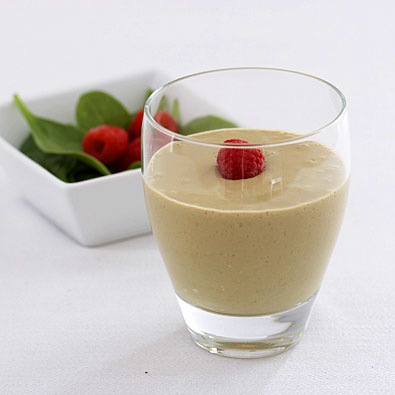
You’ll find that most of the meals healthy people are eating require more than a few minutes (unless it’s prepared ahead of time). Accept it.
If you’re too busy to eat a nutritious breakfast, you’re too busy to be lean and healthy. And while some people intentionally skip breakfast to drop body fat, it doesn’t seem to work in the long run, as those who skip are up to 5 times more likely to be obese than those who make it a daily habit.
Nearly 90% of Americans acknowledge that breakfast is a good idea, still, about half don’t eat it.
And of those eating it, what are they choosing? When I last checked, sales for the fast-food breakfast market reached about $31 billion in 2005, so I’m guessing that people aren’t choosing healthy stuff.
When people eat breakfast at home, the most popular items include:
- Ready to eat cereals
- Cow’s milk
- Coffee
When people eat breakfast away from home, the most popular items include:
- Eggs
- Bacon
- Sausage
- Pastries
- Coffee
- Bagels
Who usually skips meal #1 altogether in North America?
- Those between the ages of 12 and 29
- African Americans
- Low income families
What are healthy people eating for breakfast?
At PN we’ve long encouraged “thinking outside of the donut box” for breakfast. You’ll see that the healthiest nations do too. Developing breakfast habits might be critical, as nearly half of the people that eat breakfast each day claim that their choice is driven by routine.
We’ll highlight some of the healthiest nations and what they choose for breakfast. Among them are the leanest, longest lived, least depressed, lowest cancer rates, lowest heart disease rates and best digestive health. As you read thorough the options, notice similarities and differences, then consider how your choices compare.
Keep in mind that some of the breakfast meals we outline below would be slightly different depending on the region of the country, income, traditions, etc. Still, it gives you an idea what people are eating in other, healthier parts of the world for breakfast.
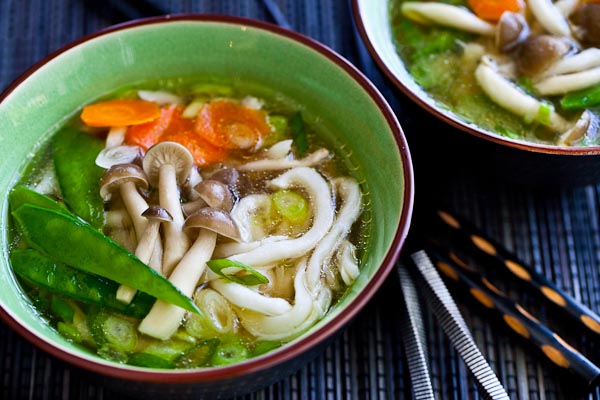
Okinawa
- Longest life expectancy on the planet
- Low levels of various chronic diseases
- Active into old age
Typical breakfast selections:
- Steamed rice, rice porridge, rice cakes
- Seaweed & sea vegetables
- Green tea
- Miso & noodle soup
- Veggie stir-fry
- Tofu
- Broiled/grilled fish
- Eggs
Iceland
Low levels of depression, bipolar disorder, seasonal affective disorder and post-partum depression despite long winters and little sunlight.
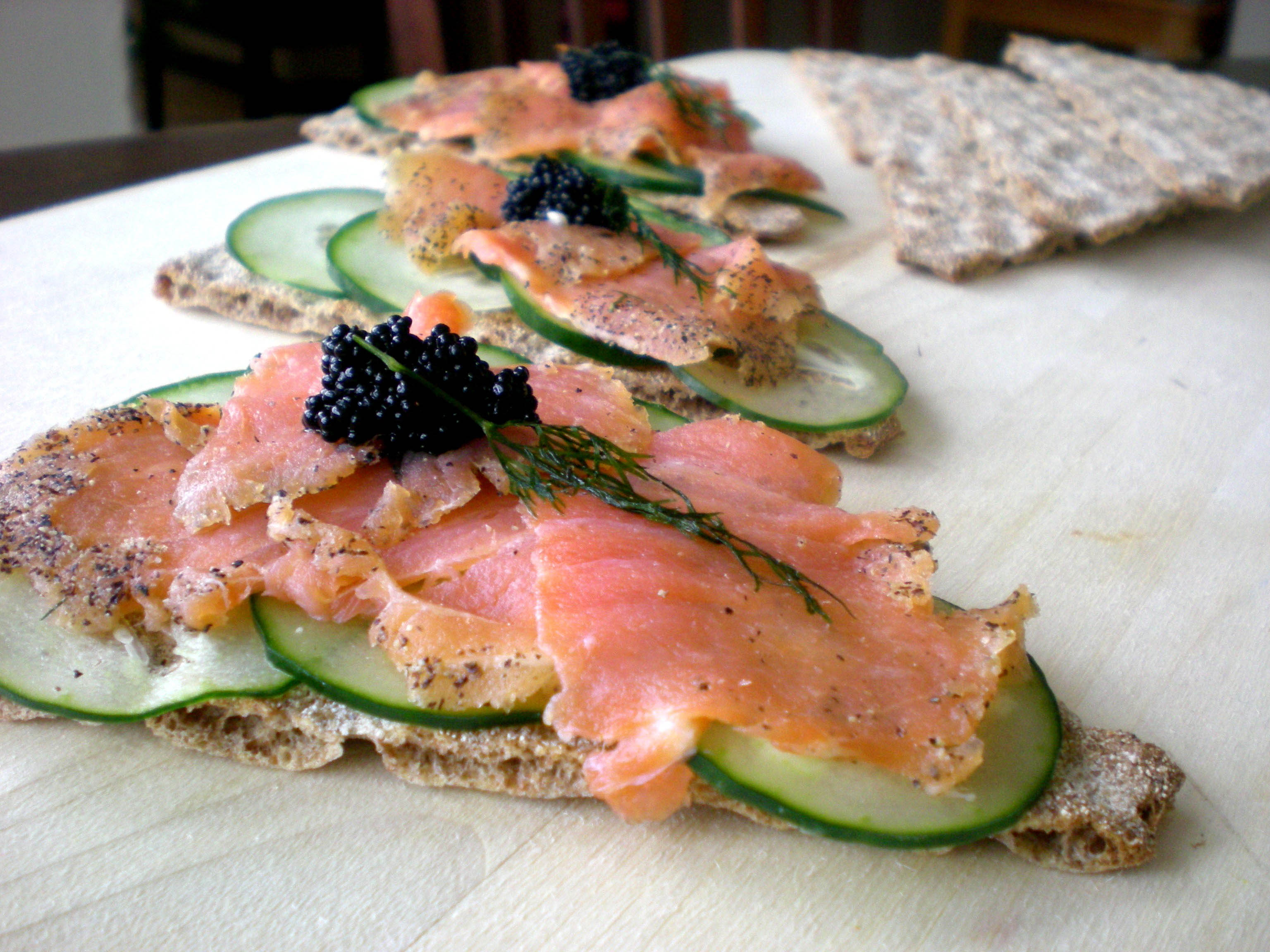
Typical breakfast selections:
- Whole grains (focusing on rye and oatmeal)
- Skyr/yogurt
- Bilberries and other fruits
- Meats
- Cheese
- Fish
- Eggs
Greece
Low levels of cardiovascular disease
Typical breakfast selections:
- Toast/whole grain breads
- Jam
- Yogurt with honey
- Greek coffee
- Eggs
- Olives/olive oil
- Feta cheese
Copper Canyon Mexica (Tarahumara Indians)
Low levels of type-2 diabetes
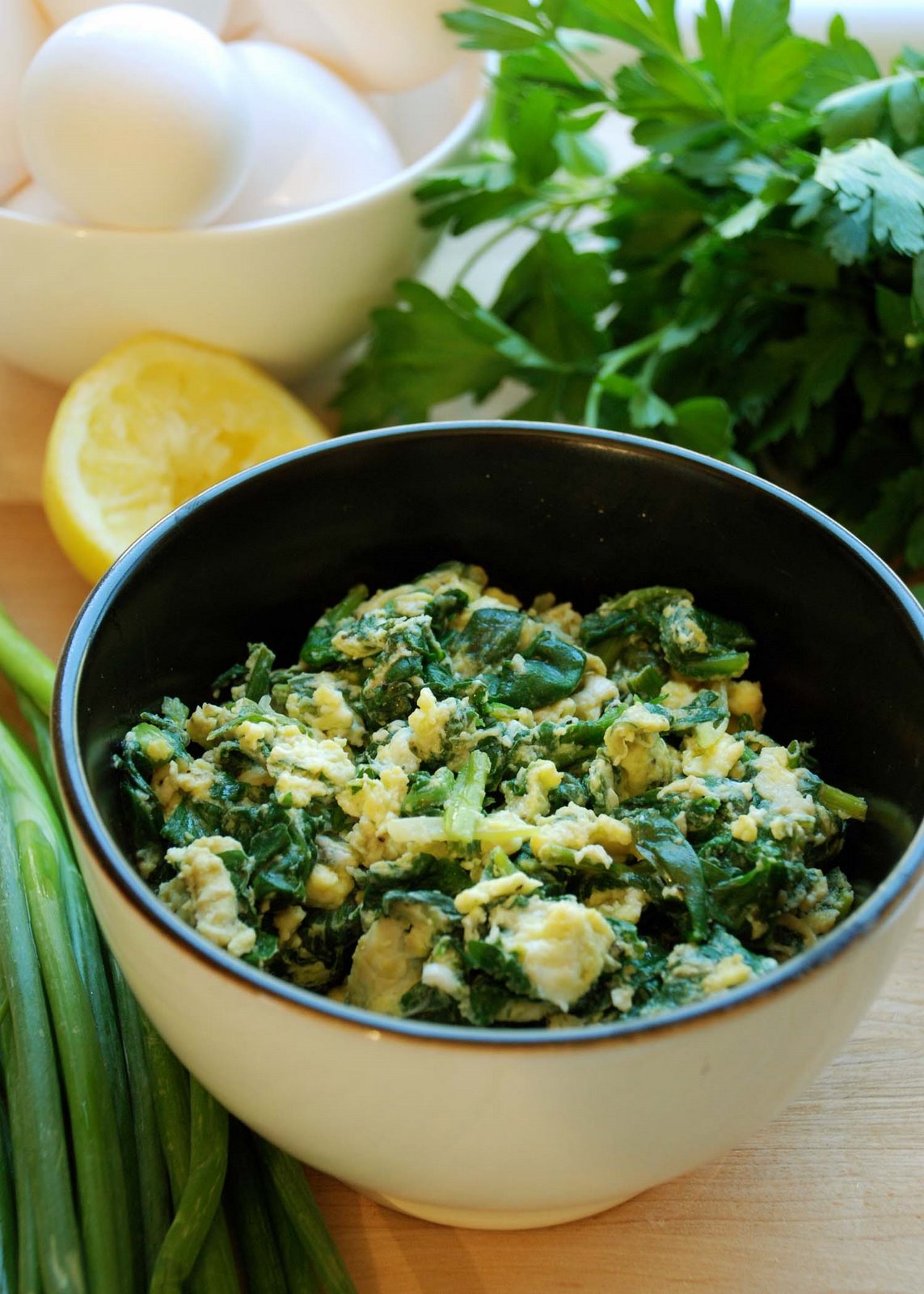
Typical breakfast selections:
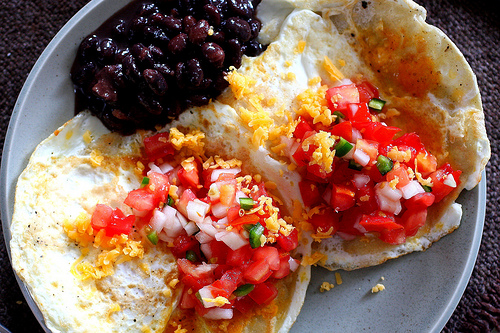
- Corn, corn meal, corn tortillas
- Beans
- Squash
- Eggs
- Chiles
- Herbs/spices
North America
- 70% overweight/obese
- 1 of every 2 deaths from heart disease or cancer
Typical breakfast selections:
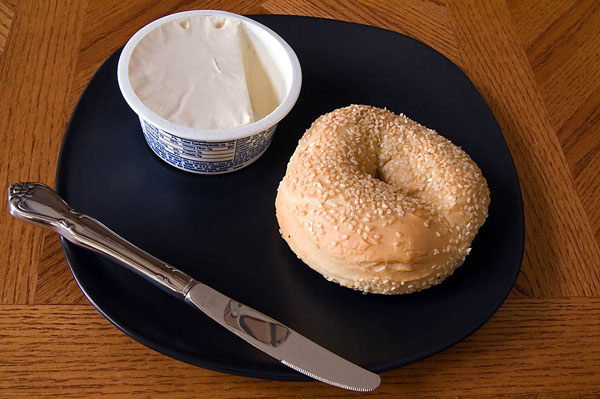
- Coffee
- Donuts/pastries
- Bagels
- Eggs
- Sausage
- Bacon
- Cold cereal
- Cow’s milk
China
Low BMI
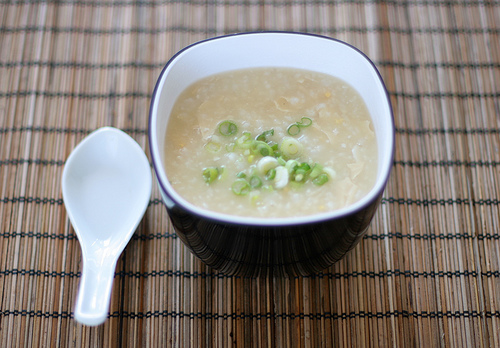
Typical breakfast selections:
- Steamed breads (plain or with meat/veggie fillings)
- Tea
- Soy milk
- Tofu
- Hard boiled eggs
- Rice porridge
- Flour/rice noodles – cooked with tomato, vegetables or eggs
Africa
- Low levels of cancer
- Optimal digestive health
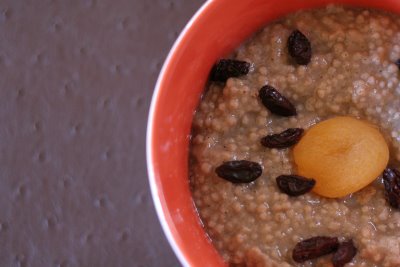
Typical breakfast selections:
- Millet
- Matoke (like a banana)
- Fruits
- Nuts
Summary and recommendations
Consider how the breakfast selections of these countries differ from North America. And consider the differing health outcomes.
Some ideas to consider when putting together breakfast:
- Take your time and pace yourself when eating, if you don’t want to allow time in the morning, prepare food ahead of time
- Include some protein dense food
- Eat enough food
- Eat real, unprocessed food
- Don’t be afraid of vegetables, or eating “dinner food” (like chicken and salad, or turkey/vegetarian chili) for breakfast
- Try whole grains (real whole grains like oats, millet, quinoa, amaranth, sprouted grains, etc.)
- Establish a routine that you can stick with
Extra credit
What about AM exercise – should you do it before or after breakfast?
Remember that body composition depends on overall energy balance. The difference between fasted and non-fasted exercise is likely small, assuming nutrition is dialed in the remainder of the day. Focus on exercising when you feel the best and will have the most productive workout.
Further resources
Breakfast recipes and ideas can be found in Gourmet Nutrition.
References
Click here to view the information sources referenced in this article.
Eat, move, and live… better.©
The health and fitness world can sometimes be a confusing place. But it doesn't have to be.
Let us help you make sense of it all with this free special report.
In it you'll learn the best eating, exercise, and lifestyle strategies — unique and personal — for you.
.


Share