Protein powders can be helpful if you aren’t getting enough protein from whole food, or if you want the convenience and portability of a protein source that won’t spoil easily.
How are protein powders made? What’s the difference between types? Read on to find out.
What are protein powders?
Protein powders are dietary supplements that contain a high percentage of protein.
This protein is derived from a variety of different food sources, including:
- Rice
- Egg
- Milk
- Pea
- Hemp
- Soy
- Cranberry
- Artichoke
Along with protein, many manufacturers fortify their products with vitamins, minerals, greens (dehydrated vegetable or other plant products), additional fats, grains, fibre, and/or thickeners. These latter types of products usually contain appreciable amounts of carbohydrates and fat; they’re often considered meal replacement powders (MRPs) instead of straight protein.
Most protein powders are a highly processed food supplement. They must be refined so they don’t taste like garbage and have a long, stable shelf life.
Processing methods
Although protein powders come directly from whole food sources, they’re not whole foods themselves.
They’re created by extracting the protein component of the food, through a variety of processing methods.
Different protein sources require different processing techniques. For instance, as you might imagine, getting rice protein from starch-dense rice takes some maneuvering.
Here are some typical processing methods.
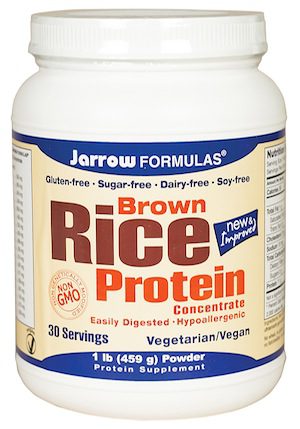
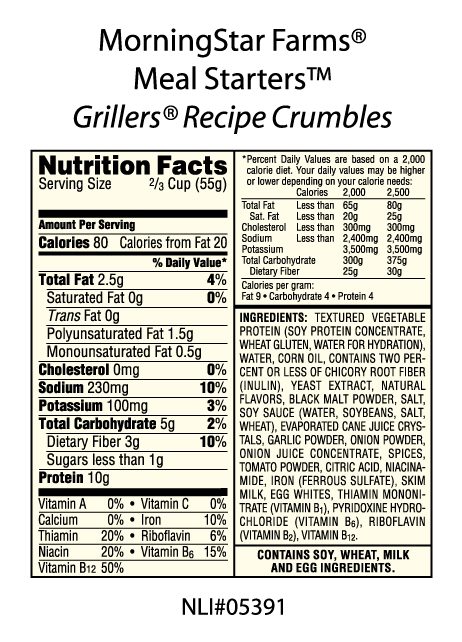
Protein concentrates
Concentration is a high heat drying process and acid extraction to lessen the whole food source into a concentrated protein powder. It’s reasonably priced.
During the processing other impurities can be concentrated with the protein (e.g., lactose, fat, cholesterol).
Concentrates end up being about 60 – 70 percent protein by weight.
Protein isolates
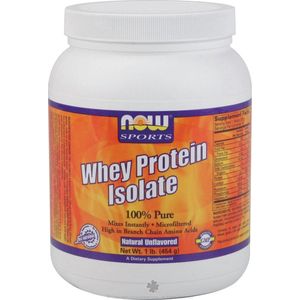
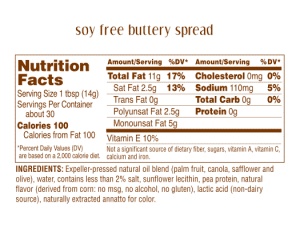
With isolated protein, the idea is to separate out a majority of the protein from the original food. This is accomplished through an alcohol wash, water wash, or ionization technique.
Each method has a different cost. Water is the least expensive and ionization is the most expensive.
After the isolate is created it goes through a filtration process. At this point, virtually everything but the protein has been eliminated. Minimal carbohydrate, fat, fibre and phytochemicals are left.
Isolated protein is about 90 – 95 percent protein by weight.
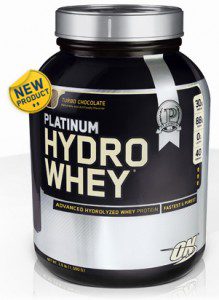
Protein hydrolysates (hydrolyzed)
Hydrolyzed protein is created by adding water to protein polymers and breaking them into miniature groups of protein called peptides. The groups will range in size from 2 to 5 amino acids.
This is done to enhance absorption. Hydrolysis is essentially pre-digestion.
Hydrolyzed protein is expensive to produce.
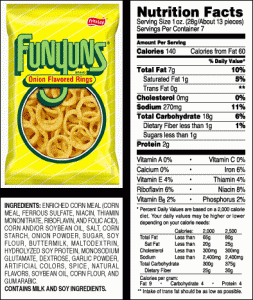
Ion-exchange protein
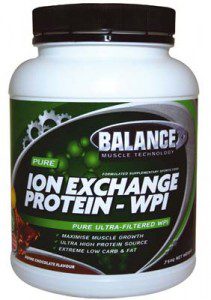
Ions are atoms or molecules containing charge-bearing groups.
Ion exchanging separates protein molecules from other fractions in the food by taking advantage of electrical charges. This is the industry standard for milk protein processing.
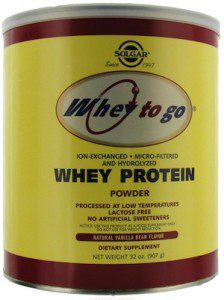
Microfiltration, cross microfiltration, ultrafiltration
These are powerful filtration processes that remove contaminants from the concentrated protein component by passage through a membrane. They are similar to the reverse osmosis processes used in water purification.
Why would I want to use a protein powder?
Regardless of your individual goals, it’s important to get enough protein. Protein can help you manage your weight and body composition as well as enhance muscle growth, immune function and exercise recovery. (See All About Protein.)
Protein powders can be helpful if you aren’t getting enough protein from whole food, or if you want the convenience and portability of a protein source that won’t spoil easily.
After all, it’s a lot easier to stick a protein powder package in your gym bag than a chicken breast, and protein powder makes a better fruit smoothie than, say, a steak.
With data from numerous studies demonstrating the importance of protein for both body composition and health, dietary supplements providing protein are some of the most popular supplements available.
What you should know
Most protein powders have strengths and weaknesses.
Rice protein – Hypo-allergenic, gluten-free, neutral taste, economical. 100% plant-based. May be derived from genetically modified rice.
Egg protein – Fat-free, concentrated amounts of essential amino acids. May upset stomach.
Milk protein (includes whey, casein, calcium caseinate, and milk protein blends) – May enhance immunity, high in BCAAs, contains lactose, highly studied. May cause digestive upset or other symptoms in people sensitive to whey, casein, and/or lactose.
Pea protein – No saturated fat or cholesterol, highly digestible, hypo-allergenic, economical. Rich in lysine, arginine and glutamine. 100% plant-based.
Hemp protein – Provides omega-3 fats, most forms provide fibre, free of trypsin inhibitors, can get in raw form, high in arginine and histidine. 100% plant-based.
Soy protein – May have benefits for cardiovascular disease, contains some anti-nutrients, may be derived from genetically modified soy. 100% plant-based.
Cranberry protein – Can maintain antioxidants through processing. Derived from recovered cranberry seeds. Contains omega-3 fats. 100% plant-based.
Artichoke protein – Source of inulin (a prebiotic). Rich in BCAAs. 100% plant based.
Protein quality
Proteins can be classified by their quality. Protein quality is determined by the following methods.
Protein efficiency ratio (PER) is based on the weight gain of a test subject (rats) divided by the intake of a particular food protein during the test period. Previous data was influenced by methionine content. This method determines protein needed for growth and not maintenance.
Net protein utilization (NPU) is the ratio of amino acids converted to proteins to the ratio of amino acids supplied. Another way to think of it is the amount of protein that a food makes available to your body based on digestibility and the amino acid composition. This test is influenced by the essential amino acids in the body and limiting amino acids in the food.
Biological value (BV) is a measure of the proportion of absorbed protein from a food that becomes incorporated into the proteins of the body. Think of it as how well the protein can be used for synthesizing new proteins. Nitrogen retention is monitored. BV does not take into account how the protein is digested and absorbed. It can be altered by recent dietary intake and food preparation.
Protein digestibility corrected amino acid score (PDCAAS) is a method based on the amino acid requirements of young children. It takes into consideration digestibility of the protein. This is a recently developed measure and preferred for determining the quality of protein.
Summary and recommendations
Consider what you hope to accomplish when using a protein powder before making your selection.
Establish digestibility before choosing a protein source. (You may have to experiment.)
The method in which the protein powder is used will also influence your selection (e.g., shakes, puddings, bars, pancakes, etc).
You get what you pay for. By choosing a “cheap” protein powder, you’re likely to get higher amounts of lactose, fat, fillers, and so on not removed during the isolation process.
If you regularly use protein powders, rotating sources every 2-4 weeks may be a helpful guard against building intolerances.
Most protein powders appear to have similar exercise recovery properties. The amino acid content is comparable between sources as well.
Extra credit
A bag of sugar is empty calories because it’s been stripped of everything but carbohydrates. What does this make a bag of protein powder?
Eat, move, and live… better.©
The health and fitness world can sometimes be a confusing place. But it doesn't have to be.
Let us help you make sense of it all with this free special report.
In it you'll learn the best eating, exercise, and lifestyle strategies — unique and personal — for you.
Click here to download the special report, for free.
References
Click here to view the information sources referenced in this article.



Share