Meet the Precision Nutrition Team
Aimee Collins
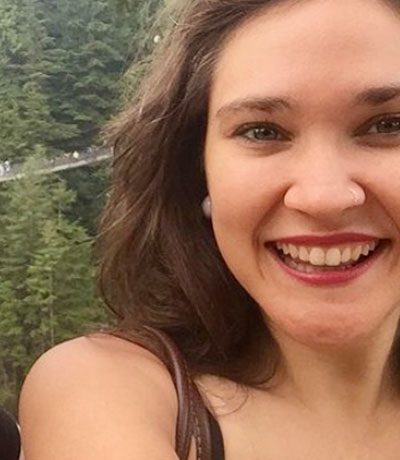
Aimee is an Inside Sales Representative. She is an ACE certified Group Fitness Instructor and an L1 certified coach. She has also achieved her L2 Master Coach Certification! As a vegetarian for nearly 25 years, she has developed an ever- growing passion for health and wellness. After years of burnout from an unfulfilling work life, she reclaimed her true values and made the career change to a happy and healthy one, in fitness and nutrition. She practices daily mindfulness, gratitude, meditation and laughter. Amy also has a background in comedy, singing her face off, thrift shopping and performing with the Toronto based non-profit, Players.
Alaina Hardie
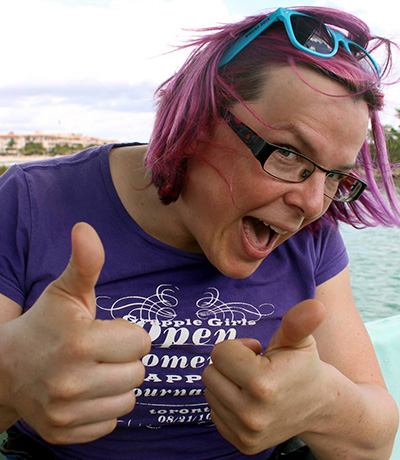
A web programmer since 1992, Alaina was the the first ‘tech person' at PN, and currently leads our Data and our Security, Privacy & Compliance teams. While her work at PN keeps her on her toes, Alaina has still found time to teach at Singularity University, co-found a telepresence robotics company, earn a black belt in Brazilian Jiu-Jitsu, co-author our genetic testing e-book, tinker with emotion emulation in robots, create a plan to get her family to net zero emissions by 2030, and raise a toddler.
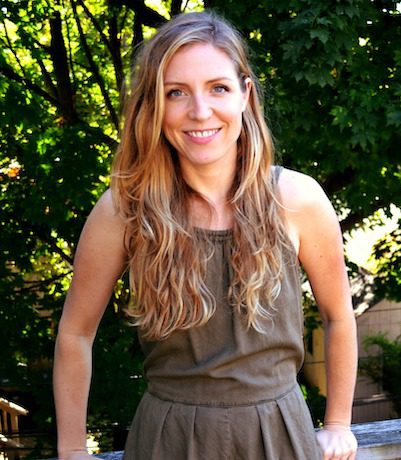
Alex Picot-Annand
Alex has worked in the health and fitness industry for over a decade, including working in stinky varsity athletic facilities in university, running her own nutrition practice after graduating, and interning as a PN Coach. Eventually, she migrated to writing, and loves the creative exercise of translating ideas into articles. She also develops recipes for PN’s Encyclopedia of Food. Alex is PN Level 1 and Level 2 certified and has a passion for weightlifting. (And she’s got the calluses on her hands to prove it.)
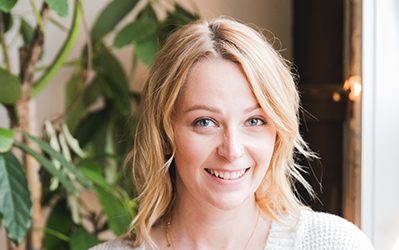
Amy Rogers
Amy is a Project Manager/Office Coordinator professional with over eight years of experience across various industries. She’s a master at recreating and streamlining company processes to make documents and information easily accessible - something she really enjoys doing! She graduated from Trebas with a Diploma in Entertainment Management, George Brown with a Diploma in Fashion Business from and attended Humber College for a semester to learn about Project Management Principles.
Brian St. Pierre
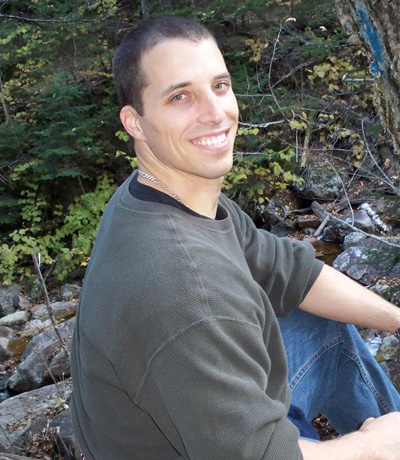
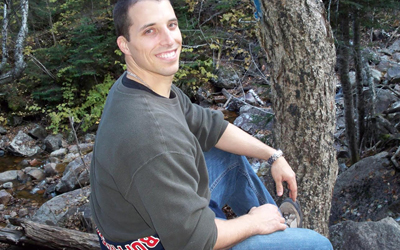
Brian is renowned for his expertise in performance nutrition. He's a Registered Dietitian with a Masters in Food Science and Human Nutrition and a long list of credentials and publications (including five books) under his belt. Pro sports organizations like the San Antonio Spurs and Cleveland Browns trust him for his nutrition consultation, but first and foremost Brian is a PN coach, helping men and fitness pros of all ages and backgrounds achieve their goals and feel great.
Dana Dunkley
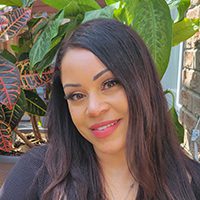
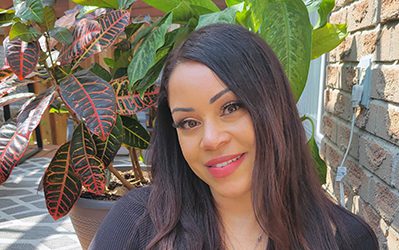
Dana is Client Care professional with over 20 years of demonstrated expertise in building and maintaining loyal customer relationships. She has in-depth customer service experience with a determination to deliver world-class service. When not at work, she’s likely creating something! Creativity is in her bones! Whether she is painting a picture, or decorating a room, she is always coming up with something unique.
Dominic Matteo
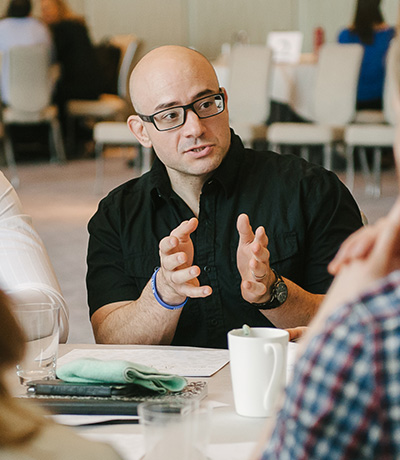
Once morbidly obese, Dominic shed over 100 pounds, gained muscle, and discovered a deep passion for health and fitness. Today he has an impressive host of certifications and credentials, over a decade in nationally competitive men's rugby, and a powerful, diverse skillset to help his clients achieve their own life change.
Erin Weiss-Trainor
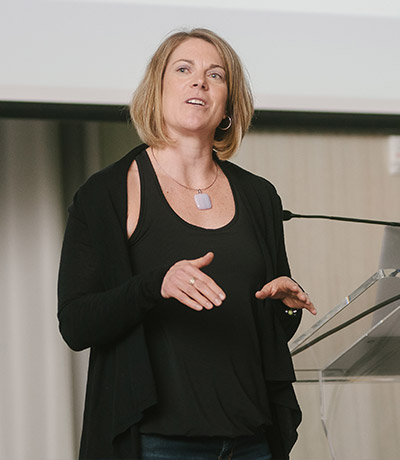
A PN veteran, Erin has worked in almost every role at the company, including women's coaching and curriculum development — a background that helps Erin lead complex projects, foster collaboration and nurture team members' unique abilities. Erin has a Masters in Kinesiology, has held positions at top health institutions including Sunnybrook Hospital and Johns Hopkins, and volunteers at her local Crossfit box.


Gabriela Barreura
Gabriela is a seasoned Content Manager and Web Developer with over eight years of experience across web and marketing roles, largely within the health & fitness industry. With a diverse skill set, she has worked as a web developer, designer, marketing coordinator, marketing analyst, and SEO strategist, bringing strong cross-functional range to digital projects. A proud alumna of Universidade de Aveiro in Portugal, she holds a Bachelor's degree in New Communication Technologies and a software engineering certificate, complemented by numerous Google Certifications in web marketing and analytics.
Gillian Fraser
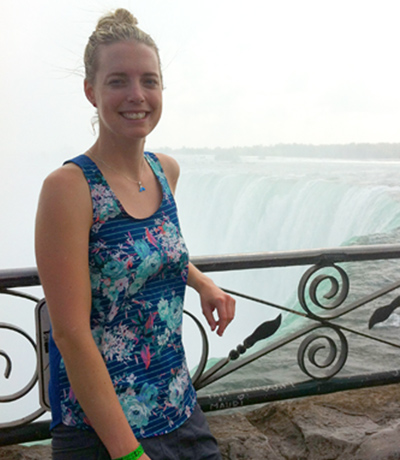
A Certified Holistic Nutritionist, ACE certified personal trainer, and Ironman triathlete, Gillian brings both expertise and passion to her coaching clients. Gillian is also Precision Nutrition Level 2 certified and holds a Bachelor of Science in Kinesiology & Sports Studies from the University of Alberta. Her energy and smile will light up the room (or the computer screen).
Hasitha Pathiraja
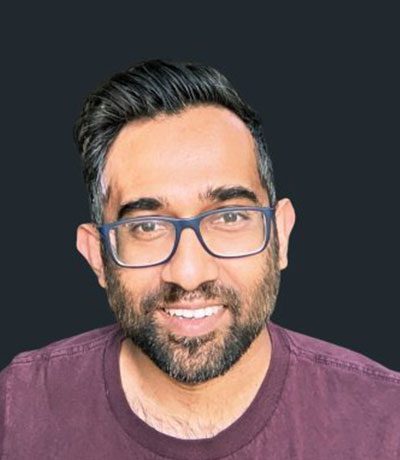
Hasitha is a Chief Technology Officer with 20+ years of experience working in the software development field. He has had many accomplishments over the years including winning the Toronto's Best Tech Manager award in 2019! He also has experience running a company that trains and coaches Engineering Leaders and running a software development agency that helps start-ups go from 0 to 1 on new ideas. He has a Bachelors of Applied Science and he's an alum of Raw Signal Group (Leadership Training). Hasitha has synesthesia which enables him to visualise sounds as shapes and with it he plays a lot of musical instruments. With this skill he used to perform as a magician/mentalist throughout his university years. He has even toured in China performing shows!
Ivan Votti
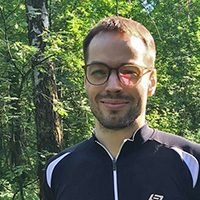
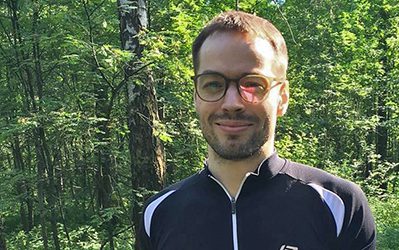
Before Ivan became a Software Developer, he wanted to be a medical doctor. For years he was into physiology and biology, until one day, he changed his mind. What happened? He built a website for his dad's company with Python and Django. Even though computers and programming had been his hobbies since childhood, the experience of building a real product completely changed his career path. He is however, still interested in everything related to biohacking and nutrition! In his free time, you can find him watching Dr. Rhonda Patrick or growing microgreens of broccoli, but software development is where his passion lays.
James Everitt
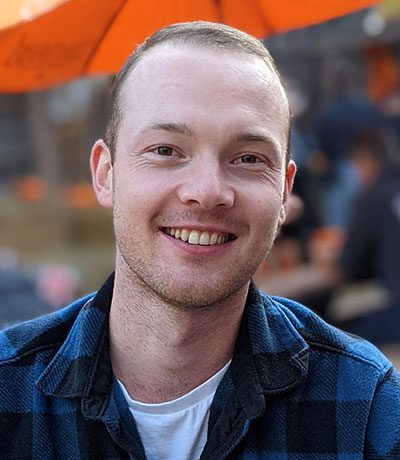
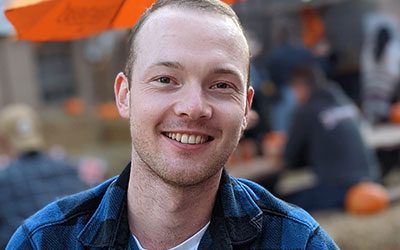
James is a Marketing Analytics Director with over 7 years of experience with experince building analytics teams from the ground up. He has produced analytics & insights for almost every team imaginable, from ad-tech to boards of executives, marketing to account management, and everything in between. He is a former high school teacher, which taught him some of the most valuable skills he has; (including patience!). He has his Master's in Education, is Major-DOMO Certified and is a Self-Certified Google Sheet Wizard. He’s a HUGE wine lover and he has travelled around the world to try different wines. His goal is to get Sommelier Lvl1 Certified as a pet-project. On top of all of this he scuba dives and has been lucky enough to dive with whale sharks in Thailand!
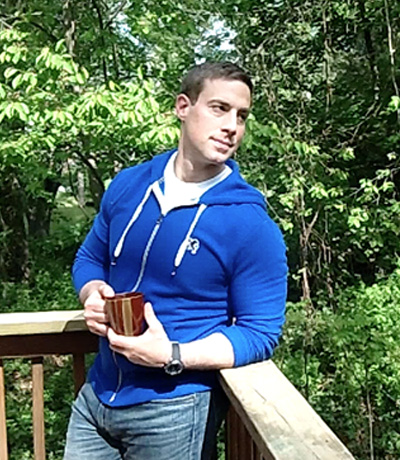
Jason Bonn
Jason holds certifications from the National Strength and Conditioning Association and Precision Nutrition, along with a BS in Physical Education and Master's in Coaching. He has seven years of teaching experience, including six years as a coach at PN, where he loves working with a clientele with diverse backgrounds, goals, and needs.
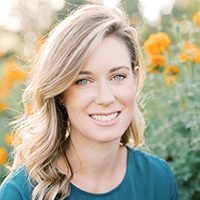
Jill Fanslau
Jill has enjoyed over 12 years of content creation, product development, and marketing leadership. She has focused on revenue growth, demand generation, CRO, growth systems and strategies, and driving high-performing teams. She has created content and digital products for global media companies like the National Geographic Society and major health and lifestyle brands like Men’s Health, Women’s Health, Prevention, and Runner’s World. Most recently, she worked at a B2C SaaS company where she developed end-to-end customer journeys, optimizing every step from first impression to purchase.
John Berardi
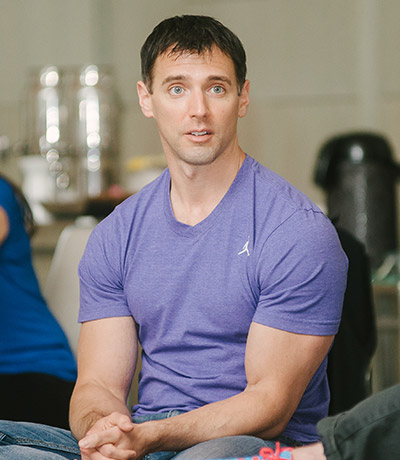
Dr. Berardi (a.k.a. “JB”) is a co-founder of Precision Nutrition, which has become the world's largest online nutrition coaching and certification company. He's an advisor to Apple, Equinox, Nike, and Titleist, and was recently selected as one of the 20 smartest coaches in the world by Livestrong.com.
Josh Hoff
Josh is a Salesforce Marketing Cloud Developer with a solid foundation in software development and programming principles. Prior to joining PN he worked at A5 as an Email Marketing Consultant with an expertise in SFMC. He is a continuous learner and has completed multiple technical certifications like, Python Certification Program, University of Washington, Salesforce Marketing Cloud Developer, Salesforce Marketing Cloud Email Specialist, Salesforce Marketing Cloud Consultant, Salesforce Administrator and Datorama Implementation Specialist. He is originally from the US and when he married his wife Tatsiana in 2018 he relocated to Vancouver, BC where he currently resides! He LOVES coding, stitching data together, and automating tasks! Among Josh’s lists of accomplishments…….Olympic Triathlon Completion in 2013.
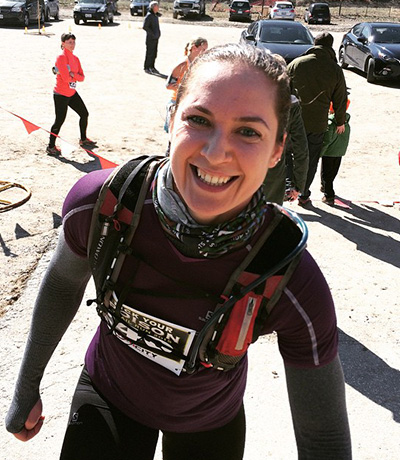
Kate Solovieva
Kate is a world traveler and adrenaline junkie with a diverse resume that includes a Master's in Psychology; training in cognitive behavioral therapy, motivational interviewing, and group therapy; and obstacle racing. This eclectic background gives Kate unique insight into the many ways people can discover new territory in themselves, get fit, and come make it through challenges thriving.
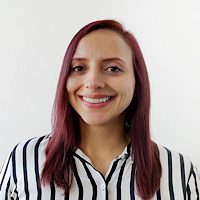
Laura Gonzalez
Laura is WordPress Developer with over 8 years of experience developing websites for Colombian ministries, universities, and small companies in the US. Her development career has been the product of a lot of online courses, and a continued dedication to learn the skills she needed. She loves the fact that she is in a field where she gets to learn something new every day. Laura has an identical twin sister in Colombia who is an amazing cake artist. Her sister has spoiled her so much with her decadent cakes that she finds it very hard to stay away from sweets and chocolate! They were in a band together where they were both singers and composers, and Laura also played the guitar. She attributes being a strong team player her whole life to sharing the world with her twin. She’s passionate about many things including music, photography, watching movies, and anime. She’s into yoga and mobility and she’s also a Brazilian Jiu-Jitsu purple belt!
Laura Parkes
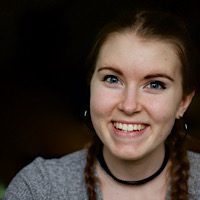
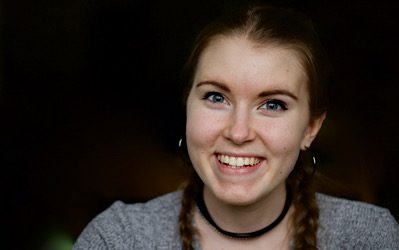
Laura is an Email Marketing Specialist with experiences in various marketing roles including email marketing, CRO and social media management across various industries, including media, where she has worked for some well-known Canadian magazine brands. Through her agency experience, she has gotten the chance to manage and create email marketing campaigns for small to enterprise level companies. She has a passion for digital marketing and uses her expertise to help companies improve their overall brand awareness and increase online sales/leads. She has a BA in Creative Industries from Ryerson University, and she loves to lead an active lifestyle. In her spare time, you can find her hiking, running, playing sports, or simply doing anything to stay energized! Fun fact about Laura…when she was younger, she was almost cast on a Japanese game show for kids!
Miguel Verissimo
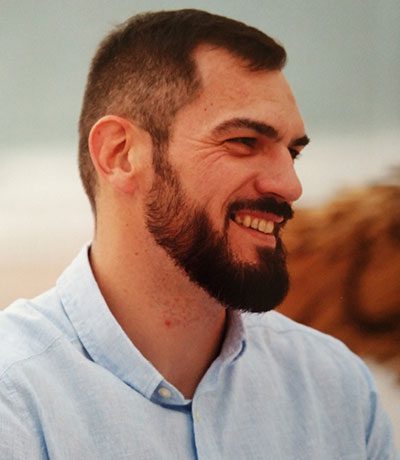
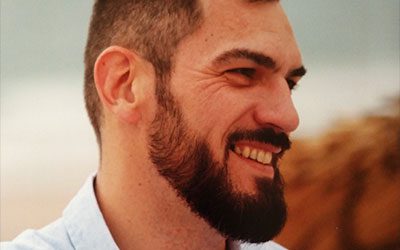
Miguel is a Senior Software Developer with over 10 years of experience. He has a Bachelors of Science Degree in IT Management and a Diploma in Design and Innovation. As former Olympic Weightlifter and as a coach, he's always been interested in the link between nutrition and performance. Also as a person who's struggled with excessive weight throughout his entire life, creating tools to empower people like him overcome destructive habits and take control of their health, is something he's deeply invested in. He's a record holder in Olympic Weightlifting in Portugal. The weight classes were changed, so his records will hold forever!
Nicole Storey
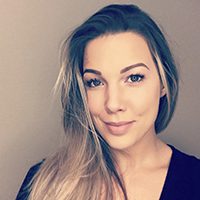
Nicole is Client Care professional who has spent 10 years in the nutritional supplement field running a chain of 5 stores. She is a Registered Holistic Nutritionist who has successfully helped many people positively transform their health. When she’s not doing work for PN, she has an incredibly delicious side gig. She owns a successful, self-built gourmet cookie company and ships cookies all over Canada! She’s also a big foodie and coffee lover.
Phil Caravaggio
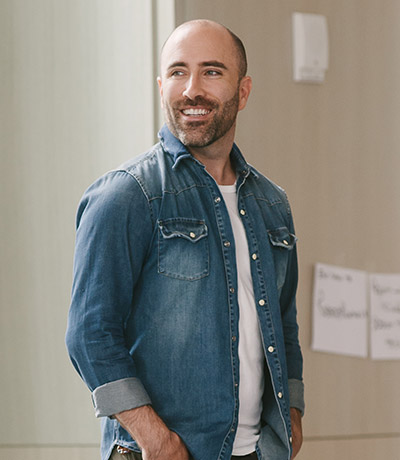
Phil attended the prestigious Systems Design Engineering program at the University of Waterloo, then turned down a lucrative software development position at IBM to co-found PN. Here he's devoted his career to developing unprecedented technologies that connect clients with the world's leading researchers and coaches. Phil is also publisher of the volunteer-run food magazine Spezzatino and director of The Healthy Food Bank, a nonprofit that provides nutritious staples to people in need throughout North America.
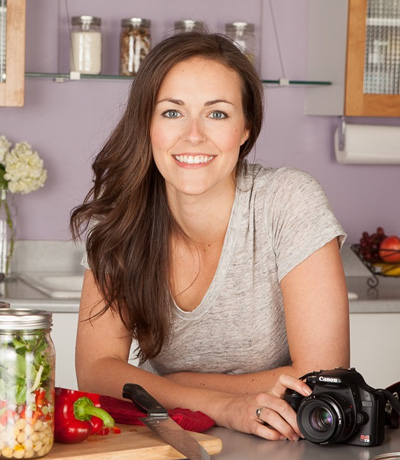

Sarah Maughan
A graduate of the Canadian School of Natural Nutrition (the youngest person ever admitted at the time), Sarah is a respected nutrition expert who's commonly featured in the media and has a vast online following. Having overcome her own health issues and work-life imbalance, Sarah draws on personal experience to relate to her clients' challenges and help them live happy, healthy, energetic lives.


Scott Goldie
Scott is a Product Marketing Leader with 20+ years of experience in technology and software, including the last decade focused on product marketing and go-to-market strategy. He has led innovative growth initiatives throughout his career, including driving a company's expansion into a new market segment that resulted in 6x revenue growth over three years. He also helped showcase BlackBerry OS running in a vehicle before Apple CarPlay existed and led the launch of a software product developed in partnership with Dell that sold out its initial release within three months. Scott is also a PNL1 Certified Coach and he spent three years running a nutrition coaching practice. Health and fitness have been a consistent passion throughout his life and are what originally drew him to PN. Fun fact about SG: he can make a surprisingly good meal out of almost anything left in the fridge, and he never misses the opportunity to find a great local restaurant while travelling.
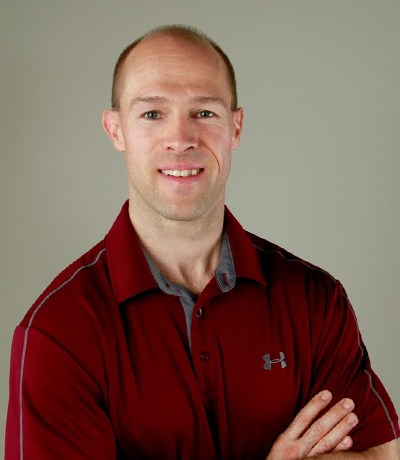

Scott Quick
Scott has been involved in nutrition and fitness for over 15 years, including as a metabolic specialist and and weight loss coach. Scott's journey at PN began as a client (and finalist); he went on to earn his L1 and L2 certifications, ultimately joining PN as a coach. In his spare time, Scott likes to fish, hike, climb and paddle board and is always in search of his next adventure.
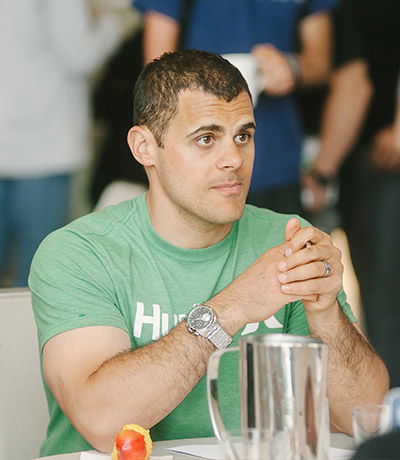
Timothy Jones
A highly skilled facilitator, critical thinker and team leader, Tim helps PN find the best pathways to success. His background includes 16 years in strategy, product development, marketing, and customer experience for some of the world's leading brands, hospitals and educational institutions. He's also a devoted football and hockey coach.
Toni Bauer
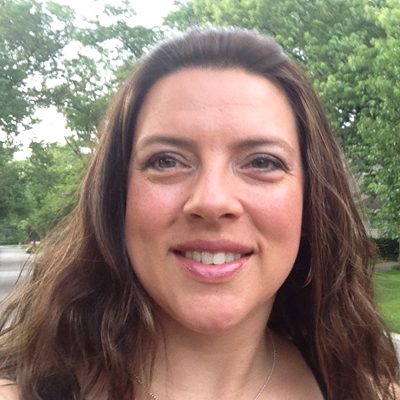
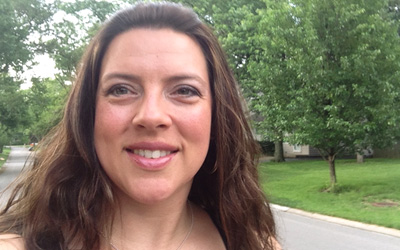
After having her two kids, Toni re-envisioned her life and career. A “student for life,” she transformed her inner and outer selves as a PN Coaching client, took home the grand prize, and became a certified personal trainer and coach. Since then, Toni has helped hundreds of PN clients — including a 2014 grand prize winner — find their passion and achieve their goals.