by Bryan Walsh, February 17th, 2010.
Imagine seven people all lined up next to each other. Each one of them reports that they have the exact same thyroid-related symptoms: fatigue, difficulty losing weight, constipation, the “blues”, cold hands and feet, and feeling puffy all the time. Interestingly, each of these seven people can have a different defect in thyroid physiology and there is a strong likelihood that none of them will be diagnosed correctly.
Categories: Advanced Diet and Sports Nutrition Blog, Hormones and Physiology, Weekly Newsletters
by Bryan Walsh, January 13th, 2010.
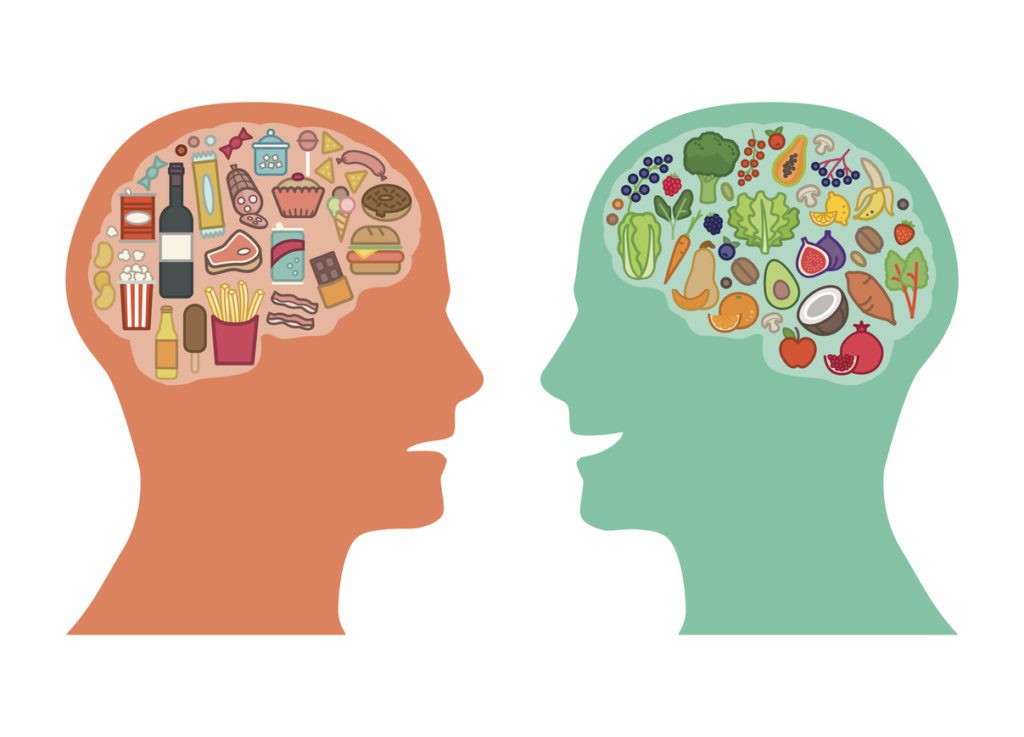
The anti-aging movement has it completely wrong. It’s not about hormones. It is about brain function. And in this article, we provide a broad overview of the brain as well as share some important ways of improving brain function through nutrition.
Categories: Advanced Diet and Sports Nutrition Blog, Hormones and Physiology, Weekly Newsletters
by Bryan Walsh, November 18th, 2009.
There’s a lot of discussion about gluten and gluten sensitivity lately. Is this the latest health-nut craze? Or is it a legitimate issue we all need to take more seriously? Find out just how damaging gluten can be – and where you can go to find out if you’re gluten sensitive.
Categories: Advanced Diet and Sports Nutrition Blog, Food and Nutrition, Hormones and Physiology, Weekly Newsletters
by Helen Kollias, November 6th, 2009.
What if there were a vaccine that prevented obesity?
Categories: Advanced Diet and Sports Nutrition Blog, Hormones and Physiology
by John M Berardi, November 4th, 2009.
Two recent studies have shaken up the weight lifting and athletic world with respect to protein intake. But is all the hoopla doing healthy eaters a service? Click here to find out if we should all just limit our intake of protein to 20-30g. Or if there’s a smarter approach.
Categories: Advanced Diet and Sports Nutrition Blog, Expert Tips, Food and Nutrition, Hormones and Physiology, Research Reviews, Weekly Newsletters
by John M Berardi, October 21st, 2009.
Phytochemicals are defined as non-nutritive chemicals found in plants. However, despite their “non-nutritive” status, these powerful little molecules can impact your health in amazing and surprising ways.
Categories: Food and Nutrition, Hormones and Physiology, Weekly Newsletters
by John M Berardi, September 30th, 2009.
This week I’m excited to announce a new partnership with our good friends at Competitor.com. Together we’ve produced Eat and Run, a video program presenting tons of great nutrition tips for active folks. In this first episode we talk all about Acid Base Balance. Check it out.
Categories: Advanced Diet and Sports Nutrition Blog, Expert Tips, Food and Nutrition, Hormones and Physiology, PN Videos, Training and Sport, Weekly Newsletters
by Helen Kollias, September 11th, 2009.
Many parents know all too well the immediate, manic, screamy, tantrumy consequences of feeding sugar to a toddler. But what about later in life? Do over-sugared kids become over-fat adults?
Categories: Advanced Diet and Sports Nutrition Blog, Food and Nutrition, Hormones and Physiology, Research Reviews
by Bryan Walsh, August 5th, 2009.
With the complexity of a female’s hormonal system, why does conventional medicine take such an overly simplistic view of it? Check out this article for a deeper understanding of female hormonal physiology.
Categories: Advanced Diet and Sports Nutrition Blog, Hormones and Physiology, Weekly Newsletters
by Bryan Walsh, August 5th, 2009.
Low testosterone — and low testosterone symptoms aren’t just for the sedentary and poorly nourished. Even active men can be affected. If you’re a man interested in optimal health, this is an article you’ll want to read.
Categories: Advanced Diet and Sports Nutrition Blog, Hormones and Physiology, Weekly Newsletters
by Bryan Walsh, July 21st, 2009.
What happens if you’ve got the diet and the exercise part down pat; if your social support is great; your psychology on track… and you still can’t lose fat? Well, that’s when you’ve gotta dig deeper physiologically. That’s when you have to look to the 4 major physiological systems that could be holding you back.
Categories: Advanced Diet and Sports Nutrition Blog, Hormones and Physiology, Weekly Newsletters
by Helen Kollias, July 10th, 2009.
When it comes to fat loss, men are from Mars and women are from Venus. Or, more precisely, men are from planet Viscera and women are from planet Subcutaneous. But they can agree on losing the same amount of fat overall.
Categories: Advanced Diet and Sports Nutrition Blog, Hormones and Physiology, Research Reviews
by Bryan Walsh, June 4th, 2009.
What we eat can affect the way we feel, think, and behave. Indeed, the gastrointestinal tract has often been called the “second brain”. You’ve probably heard the phrase “gut feeling”. Actually, we don’t often feel our guts, until it’s too late. Here’s how to identify common GI disorders, and what to do about them.
Categories: Advanced Diet and Sports Nutrition Blog, Hormones and Physiology, Research Reviews, Weekly Newsletters
by John M Berardi, April 15th, 2009.
Purposeful rest and recovery. It’s an important part of the fitness equation. Yet it’s the one most of us neglect. If you don’t build in 30 min of parasympathetic activity per day, you need to come check out this article. It’ll show you how to build in restful, parasympathetic activities in order to help keep stress in its place.
Categories: Advanced Diet and Sports Nutrition Blog, Hormones and Physiology, Psychology and Lifestyle, Weekly Newsletters
by Helen Kollias, April 3rd, 2009.
Oh sure, he looks cute. But is the Easter Bunny carrying a basket of cholesterol-laden artery bombs? Or has he gotten a bad rap along with Humpty Dumpty?
Categories: Advanced Diet and Sports Nutrition Blog, Food and Nutrition, Hormones and Physiology, Research Reviews
by Bryan Walsh, March 27th, 2009.
Are you an adrenaline junkie? Or are your adrenals junky? The adrenal glands seem to be taking the rap for everything these days. Naturopath Bryan Walsh explains the truth and fiction about the glands that make our lives more exciting. (No, not THOSE ones.)
Categories: Advanced Diet and Sports Nutrition Blog, Hormones and Physiology, Research Reviews, Weekly Newsletters
by Bryan Walsh, March 6th, 2009.
Think you’re immune from blood sugar issues because you work out and eat properly? Think again. You might still be at risk for hypoglycemia and insulin resistance.
Categories: Advanced Diet and Sports Nutrition Blog, Hormones and Physiology, Research Reviews, Weekly Newsletters
by Helen Kollias, February 27th, 2009.
“In good times, and bad times, I’ll digest your oligosaccharides for ever more… that’s what friends are for.”
You probably didn’t know it, but you have a few hundred trillion friends that hang out with you every day. Although they’re small, they play a big role in keeping you healthy… and possibly even lean.
Categories: Advanced Diet and Sports Nutrition Blog, Hormones and Physiology, Research Reviews
by Bryan Walsh, February 11th, 2009.
There are two things mitochonidria need to produce ATP, oxygen and glucose. Without either of these two compounds in sufficient amounts, the mitochonidria will not produce optimal amounts of ATP to fuel our body’s processes. This can directly impact our tolerance to exercise, or our ability to lose weight, our athletic performance and our overall health.
Categories: Advanced Diet and Sports Nutrition Blog, Hormones and Physiology, Research Reviews, Weekly Newsletters
by Helen Kollias, January 16th, 2009.
Forget palm reading, horoscopes and crystal balls. If you really want to know what’s going to happen to you, check your closet. Your belt may hold your destiny… and if that belt is too big, the “tall, dark, handsome stranger” predicted might just be your cardiologist.
Categories: Advanced Diet and Sports Nutrition Blog, Hormones and Physiology, Research Reviews
by Helen Kollias, January 9th, 2009.
Should Santa have put phosphatidylserine on his Christmas wish list?
Categories: Advanced Diet and Sports Nutrition Blog, Hormones and Physiology, Research Reviews
by Bryan Walsh, January 2nd, 2009.
Green tea has received a lot of positive media attention in recent years. But is it really good for everyone? Can green tea actually HARM you? The answer may surprise you.
Categories: Advanced Diet and Sports Nutrition Blog, Food and Nutrition, Hormones and Physiology, Weekly Newsletters
by Helen Kollias, November 18th, 2008.
Greens supplements are marketed as magical health potions that can improve the way you look, the way you feel, and the way you perform. At least that’s what they say in the ads…PN’s intrepid volunteer research subjects tackle the acid-base question and pee into cups, all in the name of PN science! What did they find out?
Categories: Advanced Diet and Sports Nutrition Blog, Hormones and Physiology, PN Experiments
by John M Berardi, September 27th, 2008.
Birth control is a hot topic in the Figure Athlete world. So, what’s the deal? Does it impact progress or not? Well, as usual, the answer isn’t straightforward. Indeed, my response is typically the dreaded, “It depends.”
Categories: Advanced Diet and Sports Nutrition Blog, Hormones and Physiology, Weekly Newsletters
by John M Berardi, August 1st, 2008.
Nowadays, at the first sign of high cholesterol, docs are putting people on statin drugs and other blood lipid lowering chemicals. And while these chemicals work pretty well, they come complete with a host of unwelcome side effects; side effects that can make managing your cholesterol a rocky road. Try these natural strategies for getting your cholesterol in check.
Categories: Advanced Diet and Sports Nutrition Blog, Hormones and Physiology, Weekly Newsletters
by John M Berardi, July 17th, 2008.
At Precision Nutrition, we have a few exercise and nutrition strategies for dealing with stressed out folks who want to be fit and healthy but who don’t want to add to their stress with their workout sessions.
Categories: Advanced Diet and Sports Nutrition Blog, Hormones and Physiology, Training and Sport, Weekly Newsletters
by John M Berardi, July 7th, 2008.
You hear it all the time. Just eat a “balanced diet” and you should be fine. However, recent
research analyzing 70 diets has shown that every single one was deficient in 3 or more nutrients – with some diets being deficient in at least 15. Not good – but completely preventable.
Categories: Advanced Diet and Sports Nutrition Blog, Food and Nutrition, Hormones and Physiology, Research Reviews, Weekly Newsletters
by John M Berardi, February 20th, 2008.
Nutrigenomics: The study of how genes and nutrients interact. Until recently, I knew this field of science was an exciting area that would someday change the future of nutrition, medicine, and more.
However, in my mind all this crazy gene-nutrient stuff was for the future. Boy was I wrong.
Categories: Advanced Diet and Sports Nutrition Blog, Hormones and Physiology, Research Reviews, Weekly Newsletters
by John M Berardi, January 13th, 2008.
Employing a few simple strategies to neutralize your high-acid diet may mean the difference between chronic low-grade acidosis — and the associated muscle wasting, bone loss, and altered hormonal profile — and a healthy, alkaline diet.
Categories: Advanced Diet and Sports Nutrition Blog, Hormones and Physiology, Research Reviews
by John M Berardi, April 15th, 2007.
Can this be true? Researchers suggest that advice to limit seafood consumption could actually be detrimental during pregnancy. JB provides his assertion as well as some logical recommendations for pregnant women.
Categories: Advanced Diet and Sports Nutrition Blog, Food and Nutrition, Hormones and Physiology, Weekly Newsletters
by John M Berardi, April 8th, 2007.
Getting fatter around the middle? Have a family history of heart disease or diabetes? You could be headed for the same trouble, especially if you’re over 40 and female.Check out this article for more.
Categories: Advanced Diet and Sports Nutrition Blog, Expert Tips, Hormones and Physiology, Weekly Newsletters
by John M Berardi, May 11th, 2006.
A few weeks back, at a small research meeting in Toronto, Ontario, my good friend Dr. Alan Logan handed me a book I hadn’t heard of before. “What’s this, Alan…The Brain Diet? Doesn’t sound all that appetizing.” Amused, Dr Logan went on to tell me that I was seeing a sneak peek at his new, soon to be released book discussing how nutrition can impact both brain and body health.
Categories: Advanced Diet and Sports Nutrition Blog, Expert Tips, Food and Nutrition, Hormones and Physiology, Psychology and Lifestyle, Weekly Newsletters